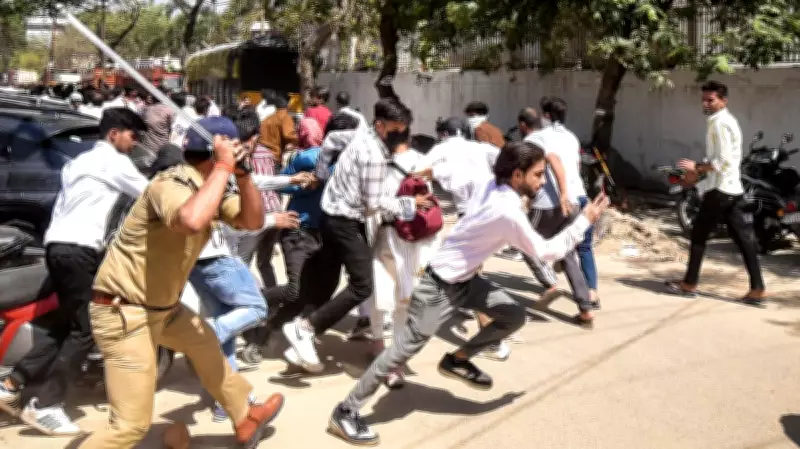
The recent flare-ups in the industrial belts of Noida and Manesar have brought to the surface underlying pressures from low wages, informal employment, and rising costs. These incidents, occurring in April 2026, reveal deeper economic fault lines that have been widening for years.
Root Causes of the Unrest
Workers in these regions have been grappling with stagnant wages that fail to keep pace with inflation. The cost of essentials such as food, housing, and transportation has risen sharply, eroding real incomes. Many workers are employed informally, lacking job security, benefits, and legal protections. This precarious situation has fueled frustration and led to protests and work stoppages.
Low Wages and Informal Employment
Despite India's economic growth, a significant portion of the workforce remains in low-paying jobs. Informal employment accounts for over 80% of the labor market, leaving workers vulnerable to exploitation. In Noida and Manesar, manufacturing and service sector jobs often offer wages below the minimum threshold, forcing employees to seek multiple income sources.

Rising Living Costs
The cost of living in urban industrial areas has increased substantially. Rent, utilities, and daily necessities consume a large share of workers' incomes. This financial strain is compounded by irregular pay and lack of overtime compensation. The unrest is a direct response to the widening gap between earnings and expenses.
Economic Implications
The labour unrest signals broader economic challenges. It highlights the failure of existing policies to address income inequality and job quality. Experts warn that continued unrest could deter investment and disrupt production, further harming the economy. The government and industry leaders are urged to implement reforms that ensure fair wages, social security, and better working conditions.
Way Forward
Addressing these issues requires a multi-pronged approach. Strengthening labor laws, enforcing minimum wage compliance, and promoting formal employment are critical steps. Additionally, social safety nets such as universal healthcare and housing subsidies could alleviate immediate pressures. Dialogue between workers, employers, and policymakers is essential to prevent further escalation.
In conclusion, the labour unrest in Noida and Manesar is a symptom of systemic economic weaknesses. Without decisive action, these fault lines could widen, leading to more widespread instability.