

China's Mandarin-Only Schooling in Xinjiang Sparks Fears of Uyghur Language Erosion
China's implementation of a Mandarin-only education system in the Xinjiang region, historically referred to as East Turkistan, is generating significant international alarm over the potential erasure of the Uyghur language and cultural heritage. This policy, part of broader assimilation efforts, mandates that all subjects be taught exclusively in Mandarin, sidelining native Uyghur and other minority languages in schools.
Policy Details and Implementation
The Chinese government has aggressively promoted Mandarin as the sole medium of instruction across Xinjiang, a vast area home to the Uyghur Muslim minority and other ethnic groups. Reports indicate that this shift involves replacing Uyghur-language textbooks with Mandarin versions and requiring teachers to conduct classes only in Mandarin, effectively phasing out local languages from formal education. Authorities frame this as a move to enhance national unity and economic opportunities, but critics argue it systematically undermines linguistic diversity.
International Concerns and Human Rights Implications
Human rights organizations and global observers have voiced deep concerns, warning that this policy could lead to the gradual disappearance of the Uyghur language, which is central to the community's identity and cultural practices. Fears are compounded by China's broader crackdown in Xinjiang, including mass surveillance and detention camps, raising questions about cultural genocide. The United Nations and various governments have called for transparency, urging China to respect minority rights and preserve linguistic heritage.

Impact on Uyghur Community and Cultural Identity
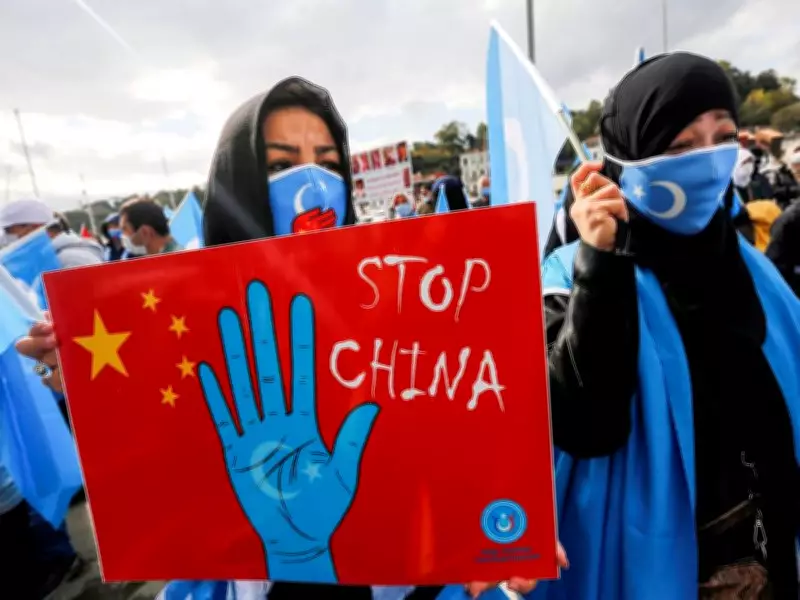
For the Uyghur population, the loss of language in education threatens to sever ties with their rich history, literature, and traditions, potentially eroding cultural cohesion over generations. Parents and activists report anxiety over children growing up without fluency in their native tongue, which could diminish intergenerational communication and cultural transmission. This linguistic shift is seen as part of a larger strategy to assimilate minorities into Han Chinese norms, sparking resistance and diaspora protests worldwide.
Broader Context and Global Reactions
This issue fits into a global pattern of language preservation struggles, but it is particularly acute in Xinjiang due to China's authoritarian control. While Beijing defends its actions as promoting social harmony, international backlash continues, with calls for independent monitoring and policy reversals. The situation highlights tensions between state-led homogenization and the preservation of ethnic identities, with long-term implications for regional stability and human rights.






