

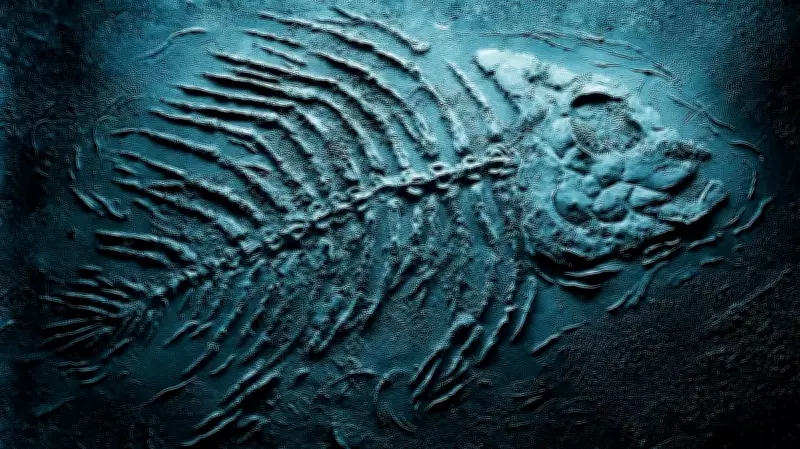
The Zoological Survey of India (ZSI) has uncovered marine fossils in Thoothukudi, Tamil Nadu, that are estimated to be between 8,000 and 12,000 years old. This discovery provides significant insights into ancient sea levels and climatic conditions in the region.
Discovery Details
Scientists from the ZSI's Marine Biology Regional Centre in Chennai conducted the study. They collected fossil samples from the coastal areas of Thoothukudi, including the Vembar and Kallar regions. The fossils include mollusks, gastropods, and bivalves, which are typically found in shallow marine environments.
Significance of the Find
The presence of these fossils at their current locations suggests that the sea level was once much higher than it is today. Dr. K. Venkataraman, a ZSI scientist, stated that the findings indicate a transgression of the sea around 8,000 to 12,000 years ago, during the Holocene epoch. This period witnessed significant climatic changes and sea-level fluctuations globally.

Implications for Climate Studies
The discovery aids in understanding past climate patterns and predicting future changes. By studying the fossil assemblages, researchers can reconstruct ancient environments and track shifts in biodiversity. The data also supports existing theories about the impact of glacial melting on sea-level rise.
Regional Context
Thoothukudi, located on the Gulf of Mannar coast, is known for its rich marine biodiversity. The region's geological formations have long been of interest to paleontologists. Previous studies have uncovered similar fossils in other parts of Tamil Nadu, such as in the Cauvery delta, but this is the first detailed documentation from Thoothukudi.
Future Research
The ZSI plans to extend its research to other coastal districts in Tamil Nadu. Further analysis of the fossils will involve radiocarbon dating to confirm their exact ages. The team also aims to create a comprehensive database of marine fossils from the region to support ongoing climate change studies.
This discovery underscores the importance of paleontological research in understanding Earth's history and its relevance to contemporary environmental challenges.






