Excavations at the ancient city of Olympos in Turkey's Antalya Province have yielded one of the site's most significant discoveries in recent years: a previously unknown monumental tomb containing an ornate marble sarcophagus. The sarcophagus is believed to have belonged to a member of the city's aristocratic elite, likely a wealthy woman of high social standing. This discovery adds a major new chapter to the already layered archaeological site on Turkey's southern Mediterranean coastline, highlighting how much of Olympos remains buried and undocumented despite decades of excavation.
Significance of Olympos in Lycian Civilization
Olympos is a key site among the cities of the Lycian civilization, which flourished along Turkey's southwestern coast from at least the second millennium BC. The city, located in the Kumluca district of Antalya Province, sits where dense forest meets a Mediterranean beach. This unique setting makes it both a popular tourist destination and an active archaeological zone. Ongoing excavations are conducted under Turkey's Ministry of Culture and Tourism through the Heritage for the Future Project, focusing on remains from the Hellenistic, Roman, and Byzantine periods.
Previous Finds and the New Discovery
Earlier seasons at Olympos have uncovered multiple churches, a Bishop's Palace, a bridge, richly decorated mosaic floors, the Antimakhos Sarcophagus, and the Lycian Marcus Aurelius Arkhepolis Monumental Tomb. The 2026 season has now added a third monumental tomb to the site's inventory.

The 10-Meter Tomb in the Harbour Necropolis
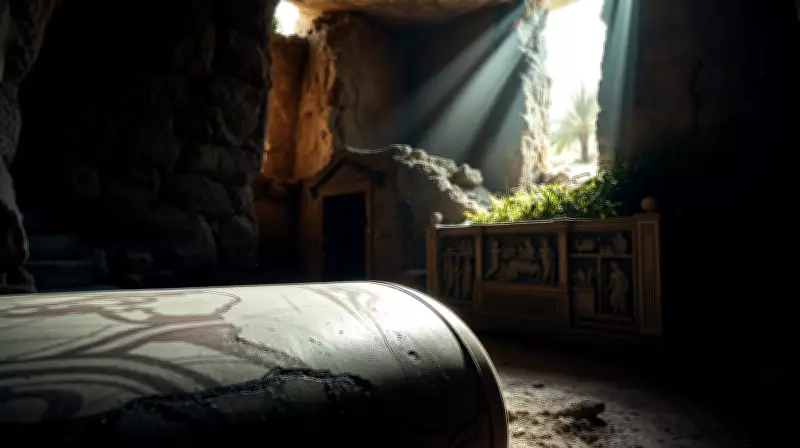
The discovery was made in the harbour district, known as the harbour necropolis, where elite burials were constructed in closely spaced vaulted chambers. Until this season, only two monumental tombs were recorded in this area. Associate Professor Gökçen Kurtuluş Öztaşkın of Pamukkale University, head of the Olympos excavation team, confirmed that the new structure is distinct. She stated, 'Two monumental tombs in Olympos were previously known. Through our recent work, we discovered a third monumental tomb covered with vaults and containing a sarcophagus.' The burial chamber stands approximately 10 meters high (33 feet), signaling the high status of its commissioner. In the Roman world, such tombs were acts of public display, and the harbour location ensured visibility within the city's commercial and civic life.
The Marble Sarcophagus: Hunting Scenes and Divine Imagery
Inside the tomb, archaeologists found a sarcophagus carved from high-quality marble sourced from İscehisar in Afyonkarahisar Province, a quarry known for premium stone used in prestige commissions across the Roman Empire. The decoration includes hunting scenes alongside carved figures of Nike, the Greek goddess of victory, and Eros, the god of love. In Roman funerary art, hunting scenes symbolized aristocratic power and elite identity, while Nike and Eros conveyed meanings related to immortality and the afterlife. This iconography places the occupant in the uppermost stratum of Olympos society, likely from a prominent aristocratic family.
Restoration of the Sarcophagus
The sarcophagus was found broken into approximately 50 fragments, likely due to the weight of collapsed material or structural failure over centuries. Archaeologists are meticulously reassembling the pieces for public display. This restoration work is familiar to the Olympos team; in a previous season, two sarcophagi were reconstructed from a combined total of 722 fragments. Öztaşkın noted, 'Each tomb tells a story about Olympos. Burial traditions offer information about how people lived and connect people to the history of the site.'

Broader Implications for Understanding Olympos
The harbour necropolis is becoming a revealing window into the social world of ancient Olympos. Elite burials near the harbour positioned the dead in a space of constant visibility and civic importance, suggesting a deliberate tradition of aristocratic commemoration tied to the city's identity as a trading and maritime hub. As excavations continue, Olympos rewards sustained investment. The site has drawn increasing numbers of tourists, and visitors are spending more time engaging with the findings. With the third monumental tomb now confirmed and its sarcophagus under restoration, Olympos remains one of Turkey's most compelling active archaeological sites.