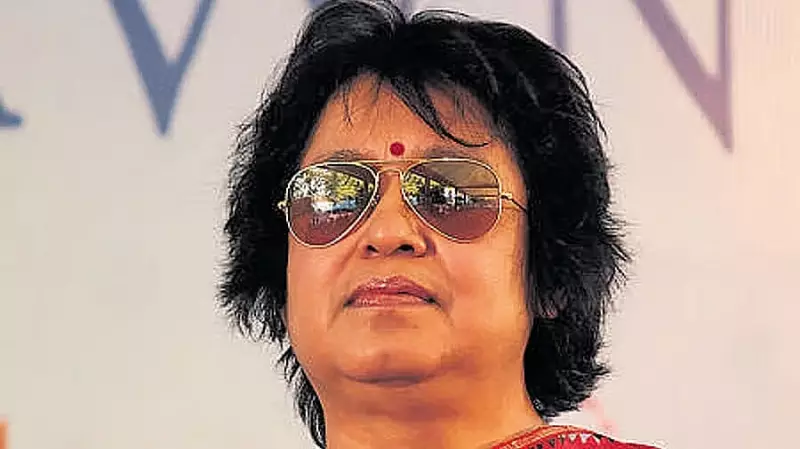
In a sharp critique that has stirred controversy, exiled Bangladeshi writer Taslima Nasrin has made serious allegations against Nobel laureate Muhammad Yunus and the current government in Dhaka. Nasrin claims that Yunus, serving as the country's Chief Advisor, has aligned himself with religious extremists. She further accused the state machinery of promoting religious schools over secular institutions to cling to power.
Nasrin's Explosive Allegations
The accusations were publicized on January 9, 2026. Taslima Nasrin, known for her secular and feminist views, did not mince words. She stated that Muhammad Yunus, a globally respected figure for his work in microfinance and social business, is now in league with fanatical elements. This represents a significant and controversial shift in the perception of his role in Bangladeshi politics.
Beyond the attack on Yunus, Nasrin directed her ire at the Bangladesh government. She alleged that the administration is actively constructing religious schools, or madrasas, to secure the backing of fundamentalist groups. The objective, according to her, is to "stay in power for a longer time." This strategy, she argues, comes at the direct expense of building much-needed secular educational institutions and science academies that would benefit the nation's future.

The Context of the Claims
These remarks touch upon a long-standing and sensitive debate in Bangladesh regarding the balance between secularism and religious identity in public life. Nasrin's own history of facing threats from extremist groups for her writings adds weight to her current statements. Her critique suggests a calculated political move where populist religious appeasement is prioritized over foundational educational development.
The role of Muhammad Yunus as Chief Advisor places him in a influential position. Nasrin's allegation implies that his association, whether direct or perceived, with hardline factions could legitimize their agenda. The government's alleged focus on madrasas is framed not as an educational policy but as a tactical gambit for political survival, leveraging religious sentiment.
Potential Repercussions and Reactions
These allegations are likely to trigger strong reactions both within Bangladesh and internationally. Supporters of the government and Yunus may dismiss the claims as baseless or politically motivated. However, secular and liberal voices in the country might rally behind Nasrin's warnings, seeing them as validation of their concerns about rising extremism and the erosion of secular principles.
The international community, which often views Yunus as a symbol of progressive development, will watch closely. Any substantiation of these claims could damage his legacy and affect Bangladesh's diplomatic and economic relationships. The fundamental question raised is about the direction in which the nation is headed: towards a future built on scientific temper and inclusive education, or one influenced by religious dogma for political gain.
As of now, there has been no official response from Muhammad Yunus or the Bangladesh government to Taslima Nasrin's specific charges made on January 9, 2026. The development adds another layer of complexity to the country's already vibrant and often tumultuous political discourse.