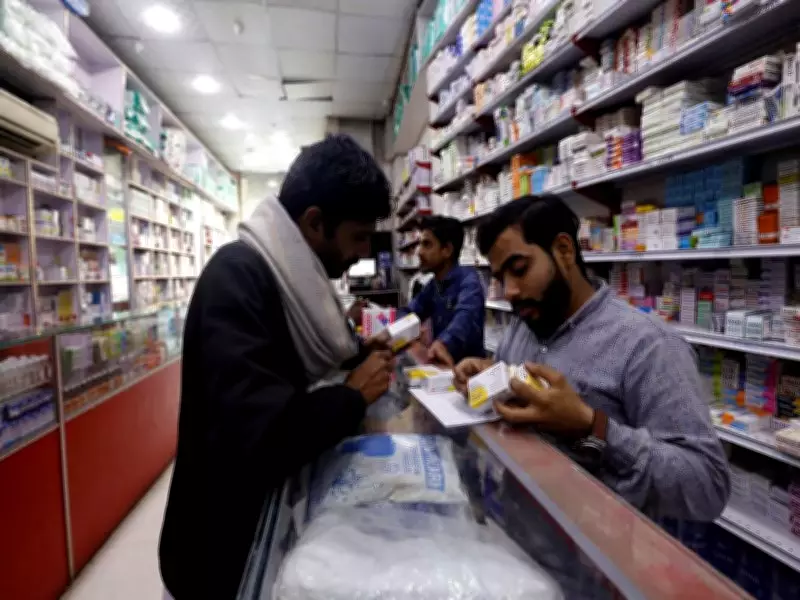
Pakistan's healthcare system is on the brink of a catastrophic collapse as Rawalpindi's major hospitals face an imminent shutdown due to a severe shortage of medicines. The crisis, driven by a critical funding crunch, threatens to leave thousands of patients without essential medical supplies.
Rawalpindi Hospitals at Risk
Several government-run hospitals in Rawalpindi, including the District Headquarters Hospital and Benazir Bhutto Hospital, have reported that they will be forced to halt the provision of free medicines within days. The hospitals have exhausted their budgets for the current fiscal year, leaving them unable to procure new stocks of life-saving drugs.
According to hospital administrators, the situation has been exacerbated by delayed releases of funds from the provincial government. The Punjab Health Department has acknowledged the crisis but cited financial constraints as the primary obstacle to resolving the issue.

Impact on Patients
The medicine shutdown would disproportionately affect low-income patients who rely on public hospitals for affordable healthcare. Many of these patients suffer from chronic conditions such as diabetes, hypertension, and heart disease, requiring regular medication. Without access to free medicines, they may be forced to buy expensive alternatives from private pharmacies or go without treatment.
Doctors at the affected hospitals have expressed concern over the potential health consequences. "We are seeing patients who cannot afford even basic medicines. If the hospital stops providing them, many will suffer severe complications or even die," warned a senior physician at Benazir Bhutto Hospital.
Broader Healthcare Crisis in Pakistan
The Rawalpindi medicine shortage is symptomatic of a wider healthcare crisis in Pakistan. The country spends only about 1% of its GDP on healthcare, one of the lowest rates in the region. Public hospitals across the country face chronic underfunding, leading to shortages of medicines, equipment, and staff.
The COVID-19 pandemic further strained the system, diverting resources and overwhelming facilities. While the pandemic has receded, the underlying financial problems remain unresolved.
Government Response
The Punjab government has promised to release emergency funds to avert the shutdown, but hospital officials remain skeptical. "We have heard promises before, but the funds rarely come in time," said a hospital administrator. The delay has forced some hospitals to rely on donations from charitable organizations, but this is not a sustainable solution.
Healthcare activists have called for a long-term strategy to address the funding gap, including increased budget allocation and better financial management. Without systemic reform, they warn, similar crises will continue to plague Pakistan's healthcare system.
Conclusion
The impending medicine shutdown in Rawalpindi hospitals is a stark reminder of the fragility of Pakistan's healthcare system. As patients face the prospect of going without essential medicines, the government must act swiftly to prevent a humanitarian crisis. However, lasting change will require sustained investment and political will to ensure that all Pakistanis have access to quality healthcare.