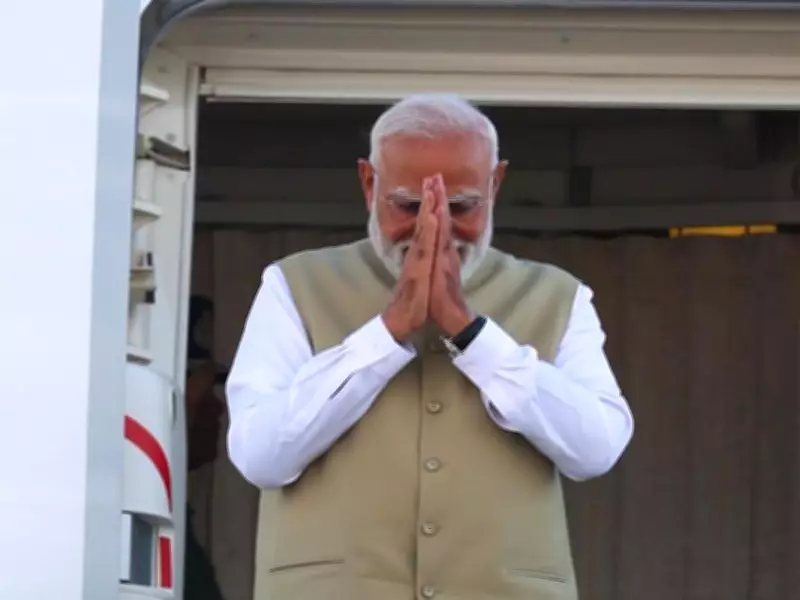
Prime Minister Narendra Modi has departed for India after successfully concluding his five-nation tour. The tour, which covered multiple countries, aimed at strengthening diplomatic and economic ties. During his visit, Modi engaged in bilateral meetings, signed key agreements, and participated in cultural events. The tour is seen as a significant step in enhancing India's global presence and fostering international cooperation.
Key Highlights of the Tour
The Prime Minister's itinerary included stops in several nations, where he held discussions on trade, security, and technology. Agreements were signed in areas such as defense, energy, and infrastructure. Modi also addressed the Indian diaspora, emphasizing the role of overseas Indians in India's growth story.
Bilateral Meetings and Agreements
During the tour, Modi met with heads of state and government officials. Key outcomes included memoranda of understanding on renewable energy, digital cooperation, and cultural exchange. The leaders reaffirmed their commitment to multilateralism and regional stability.

Cultural and Diaspora Engagement
The Prime Minister participated in community events, highlighting the contributions of the Indian diaspora. He also visited historical sites and cultural landmarks, underscoring the shared heritage between India and the host nations.
Economic and Strategic Significance
The tour is expected to boost trade and investment flows. India aims to leverage these partnerships for technology transfer and skill development. Strategic dialogues focused on counterterrorism, maritime security, and climate change.
Reactions and Analysis
Analysts view the tour as a diplomatic success, enhancing India's influence in key regions. The agreements are likely to open new avenues for collaboration. The Prime Minister's return marks the beginning of implementation of the accords.
Upon arrival, Modi is expected to brief the cabinet and parliament on the outcomes. The government plans to fast-track projects agreed upon during the tour.