Poland and Ukraine have long shared a complex history, but their divergent interpretations of 20th-century events continue to strain modern diplomatic ties. The two nations, now allies against Russian aggression, remain at odds over historical grievances that resurface in political discourse.
Roots of the Dispute
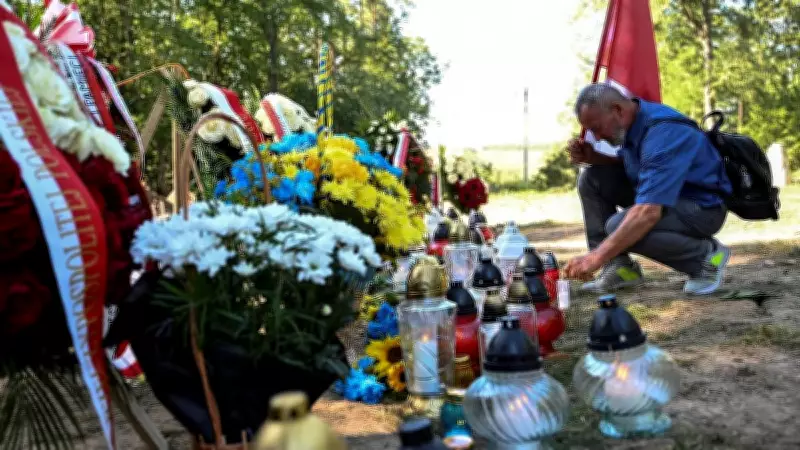
The core of the disagreement lies in the memory of World War II-era violence, particularly the Volhynia massacre of 1943-1944, when Ukrainian nationalists killed tens of thousands of Poles. Poland views these acts as genocide, while Ukraine often frames them as part of a larger conflict or as retaliation for Polish oppression. This fundamental difference in historical narrative fuels mutual mistrust.
Impact on Current Relations
Despite their shared security concerns in the face of Russian aggression, historical disputes periodically disrupt cooperation. Polish politicians have called for Ukraine to acknowledge the massacre as genocide, while Ukrainian leaders resist such labeling, fearing it would undermine national unity. These tensions sometimes delay joint initiatives and public statements.

The issue is not limited to official circles. In both countries, nationalist groups and media amplify historical grievances, influencing public opinion. Surveys show that a significant portion of Poles view Ukraine unfavorably due to historical reasons, while some Ukrainians resent what they see as Polish moral superiority.
Attempts at Reconciliation
Efforts to bridge the gap have been made, including joint commemorations and academic exchanges. However, progress is slow. In 2023, Polish President Andrzej Duda and Ukrainian President Volodymyr Zelenskyy held talks to address the issue, but no breakthrough was achieved. The war with Russia has forced both sides to prioritize defense cooperation, but historical wounds remain unhealed.
The European Union has also encouraged dialogue, emphasizing the importance of reconciliation for regional stability. Yet, as long as the core historical narratives remain incompatible, the shadow of the past will continue to loom over Poland-Ukraine relations.