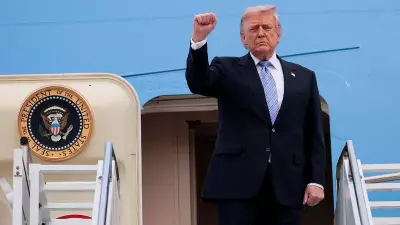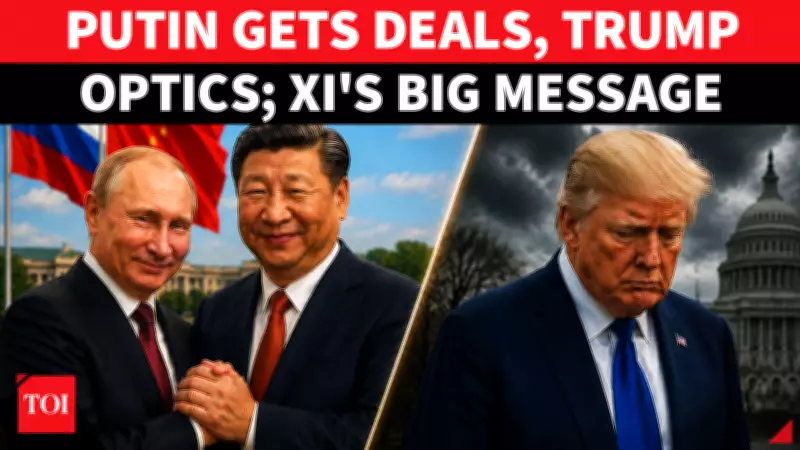
Days after Donald Trump hailed 'fantastic deals' with Xi Jinping, only a handful materialised on paper. Then comes the twist. Vladimir Putin and Xi inked nearly 40 agreements on coal, pipelines, energy and logistics. A flurry of hard deals on sectors that shape power. Raising questions on what Beijing really prioritised after Trump's visit. Optics vs outcomes. Promises vs paperwork. And a geopolitical signal that may outlast the photo-ops.
Key Agreements Signed
The agreements between Russia and China cover a wide range of sectors, including energy, trade, and logistics. Specifically, the pacts focus on coal supply, pipeline construction, and energy infrastructure. These deals are seen as a strategic move to strengthen bilateral ties and reduce dependence on Western markets.
Energy Cooperation
Energy remains a cornerstone of the Russia-China partnership. The new agreements include increased natural gas exports via the Power of Siberia pipeline and joint development of Arctic energy resources. This comes as Europe seeks to diversify away from Russian energy, making China a crucial partner for Moscow.

Trade and Logistics
In addition to energy, the pacts cover trade facilitation and logistics. Both nations aim to boost bilateral trade to $200 billion by 2024. New railway and port projects are expected to enhance connectivity between the two countries, further integrating their economies.
Geopolitical Implications
The timing of the agreements is significant. They come shortly after Trump's visit to Beijing, where he claimed to have secured 'fantastic deals.' However, few of those promises have been fulfilled. In contrast, the Russia-China deals are concrete and implemented swiftly, signaling a shift in global alliances.
Analysts suggest that Beijing is prioritizing long-term strategic partnerships over short-term gains from the US. The flurry of pacts with Russia demonstrates China's commitment to a multipolar world order, where it can leverage its relationships with both major powers.
Reactions from the West
The United States and its allies are closely monitoring these developments. Some officials express concern that the Russia-China axis could challenge Western dominance in global institutions. However, others view it as a natural alignment of interests between two major powers.
Conclusion
While Trump's deals remain mostly on paper, Putin and Xi have turned promises into paperwork. The nearly 40 agreements signed highlight the depth of the Russia-China partnership and raise questions about the effectiveness of US diplomacy in the region. As the world watches, the geopolitical landscape continues to evolve, with Beijing making clear its priorities.