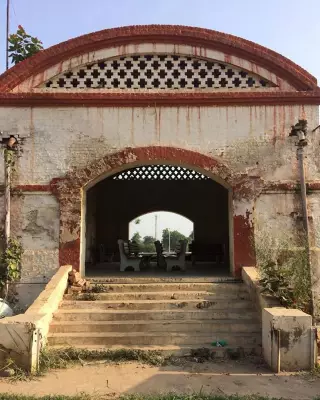
The discovery of one of the world's oldest urban civilizations did not begin with a grand expedition. Instead, it started with a modern infrastructure project and a giant pile of old bricks. In the mid-19th century, railway construction in what is now Punjab exposed ancient mounds that workers quarried for bricks. They needed ballast to stabilize the track and began quarrying an ancient mound near Harappa.
The Accidental Discovery of a Planned City
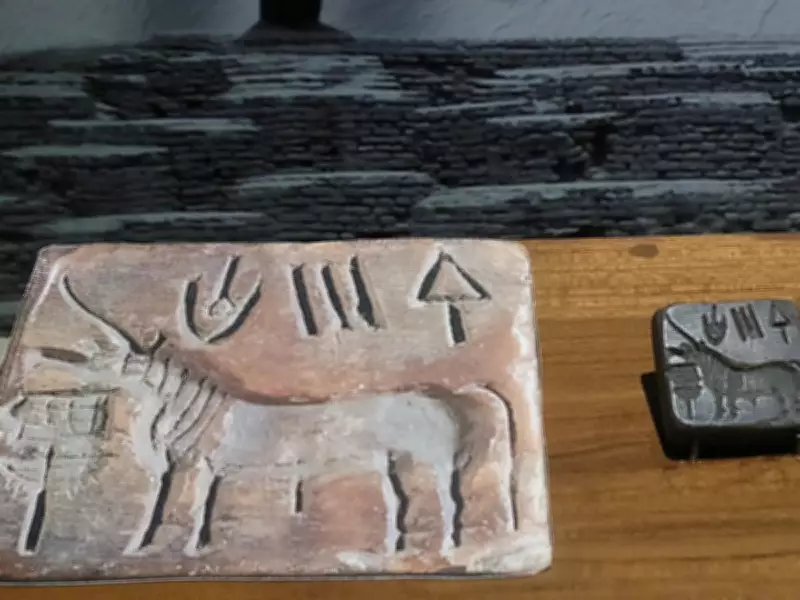
The workers were not searching for history, but their digging struck the site of a buried settlement long hidden from view. Initially, they found durable, baked bricks. Then came seals carved in a unique way with unfamiliar symbols. This accidental exposure initiated a series of investigations that gradually revealed a large, previously unrecognized urban center.
At first, the British railway builders saw the Harappa mound as an easy source of free building material. The bricks were of such high quality that they were quickly reused in railway construction. However, this chance exposure was the first step in realizing that the mound was much more than a pile of rubble. As years passed and excavations continued, the true size of the site became apparent. The remains showed Harappa to be a highly sophisticated, planned city, not a random cluster of houses. Excavations revealed standardized brick construction and massive civic features such as platforms and complex drainage systems, according to a review published in the journal Springer Nature Link. The study notes that consistency in bricks and urban design suggests coordinated planning and shared units of measurement. In fact, the bricks that railway workers carted away were clues to an elaborate system of city planning.

Why the Seals Mattered
The discovery took a dramatic turn in the 1870s when archaeologist Alexander Cunningham visited the site. Early investigators, including Cunningham, recorded ancient bricks and reported stone seals with unfamiliar symbols during surveys and excavations in the late 19th century. In archaeology, seals are important because they can indicate trade, administration, identity, and craft control. These small, portable objects showed that Harappa was home to an organized urban society that used a symbol system visible on seals and other objects, even if the script could not yet be read. Findings such as seals helped shift scholarly understanding and pointed to a much more complex past than previously recognized. That made scholars wonder if Harappa was part of a larger, connected civilization. And the answer was a resounding yes. A study published in Nature says Harappan sites are clearly identified by their highly standardized seals and weights, and Harappa is one of the main urban centers where these objects are found. These objects were part of a shared system of symbols across several regions, the researchers say, suggesting connections between sites.
A Slow Revealing of Deep History
The recognition of Harappa as a major civilization unfolded slowly over decades of investigation. It moved from an industrial disturbance to early archaeological recognition to full-scale excavations. Everyday life in Harappa was shaped by planned spaces and shared building practices. The discovery still resonates today, for it is a reminder of how deep history can lurk just beneath our feet, waiting for the right moment to reveal itself. What began as a search for railway ballast ultimately reshaped understanding of ancient urban life in South Asia. Carved seals and uniform bricks survived centuries of burial and helped preserve evidence of this ancient urban civilization.