

Ranthambore National Park Surges in Popularity: 5 Reasons to Visit Now
For years, Ranthambore National Park has been one of India's most celebrated safari destinations, known for its famous tigers, dramatic ruins, and raw landscapes. Recently, the reserve has been enjoying a fresh surge of attention from wildlife enthusiasts, photographers, and travellers eager for a classic Indian jungle experience. The reason is not just its reputation. A rare convergence of headline-making sightings, predator movement, strong summer safari conditions, and the timeless appeal of its terrain has made Ranthambore one of the most talked-about wildlife destinations in the country right now. For many nature lovers, this is the kind of moment that sparks spontaneous bookings.
The Tiger-Leopard-Cheetah Sighting Has Created Massive Buzz
Wildlife tourism often runs on stories, and few stories travel faster than an extraordinary sighting. Recent reports from the reserve described a rare moment in Zone 9 where a tiger, leopard, and cheetah were all seen within the same broader landscape and time window. The cheetah is believed to have wandered from nearby Kuno National Park, adding an unexpected twist to the event. Tigers and leopards alone create excitement, but adding a free-ranging cheetah into the conversation turned the moment into national travel news.
It Remains One of India's Most Famous Places to See Tigers
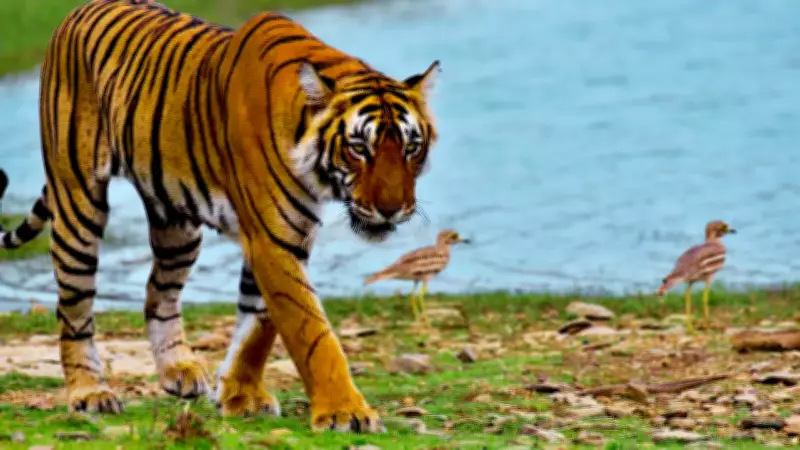
The world-renowned status of Ranthambore has always been attributed to the sighting of Bengal tigers, and the same is still relevant. In comparison to other national parks with thick foliage making it challenging to catch sight of animals, Ranthambore, with its combination of dry deciduous forests, open trails, water bodies, and grasslands, allows for more action and movement. This implies that visitors may have better odds of catching a glimpse of tigers moving along the road, lounging by water sources, or coming out of the forests. The park is home to several famous individuals, each with a fascinating history.

Leopard Sightings Are Adding Another Layer of Thrill
Whereas the tigers steal the spotlight, the spotting of leopards is yet another reason why wildlife enthusiasts have an eye on Ranthambore National Park. The leopard is arguably one of the most elusive predators in India who are adept at using rocky areas, scrub, and edges of forests as hunting grounds. To be able to see a leopard in its habitat is quite an amazing moment since they can blend with their surroundings in a flash. For photography buffs and avid safari tourists, the prospect of being able to spot a tiger and a leopard in one park is simply irresistible.
Few Parks Offer Such a Cinematic Setting
The appeal of Ranthambore is not only confined to wildlife. In fact, Ranthambore is also one of the most scenic wildlife sanctuaries in India. The park is a unique blend of lakes, old banyan trees, steep rock formations, arid forest, and the majestic Ranthambore Fort which is included in the list of UNESCO's world heritage sites. The presence of such diverse topography makes Ranthambore different from the majority of other national parks. The image of a tiger passing through the ruins of an archway, a deer feeding near a lake, or langurs sitting on ancient stone walls can seem to be taken out of a movie.
Summer Is Drawing Serious Wildlife Travellers
Though many leisure travelers tend to shy away from the hot season, seasoned safari travelers have learned that there could be benefits to summer as well. With rising temperatures and water becoming more critical, one could expect to see more animal activity around lakes, ponds, and waterholes. It could increase the probability of spotting action, particularly during morning or evening game drives. Indeed, it might be unbearably hot in Rajasthan, but many nature lovers would be happy to compromise on comfort for better sightings and less congestion than during the busiest winter season.






