

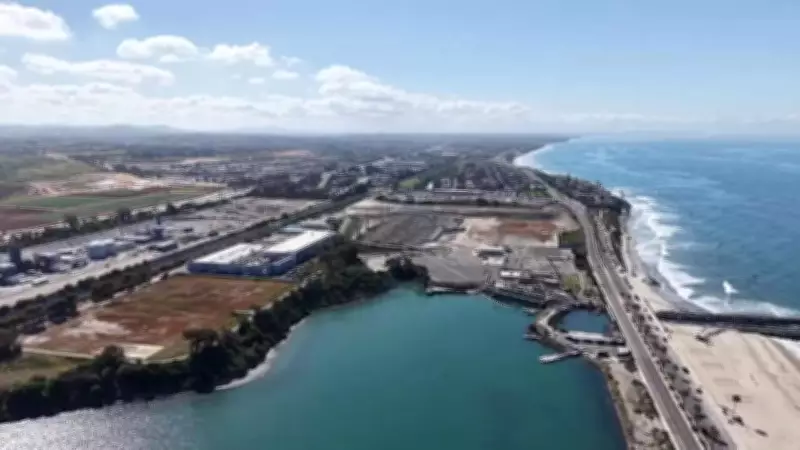
San Diego is not usually the first place people think of when discussing water abundance. For decades, the region was synonymous with drought concerns, strict restrictions, and heavy dependence on imported water. However, this image is now shifting. In 2026, the city finds itself in an unusual position, with more water available than it currently needs. This surplus is not accidental; it is the result of long-term planning, reduced consumption, and strategic investment in alternative water sources. Officials are now taking a practical approach by selling excess supply to nearby regions. This move is drawing attention across the United States, especially in areas facing water stress, and it may signal a broader change in how water is managed. For now, San Diego appears to be managing its resources in a way that supports both economic and regional needs.
San Diego's Water Supply Strategy Emerged from the 1990s Water Crisis
According to the San Diego County Water Authority, the current situation has its roots in past challenges. In the early 1990s, the authority faced a serious supply cut during a prolonged drought. That experience shaped its long-term strategy. Over the following decades, the agency invested in a range of solutions, including securing multiple water sources, promoting conservation, and supporting infrastructure projects designed to reduce reliance on a single supply. Gradually, water use in the region declined. Households became more efficient, and landscaping trends shifted towards less water-intensive options. At the same time, new sources were developed. One of the most significant additions is the Carlsbad desalination plant, which produces a steady volume of drinking water from the ocean. Experts say that when these factors are combined, they create a level of supply that now exceeds current demand.
Regional Water Deals Turn Surplus Supply into Long-Term Revenue
As reported by the San Diego County Water Authority, with surplus water available, San Diego has started entering into long-term agreements with neighboring regions. One notable deal involves the Eastern Municipal Water District, under which San Diego will provide up to 10,000 acre-feet of water annually for 21 years. The starting price is set at around $1,350 per acre-foot. In addition, the district has agreed to pre-purchase 30,000 acre-feet for approximately $19 million. The financial impact is significant: in the first five years alone, the agreement is expected to generate about $74 million in revenue. Officials suggest that this income could help maintain affordability for local ratepayers while ensuring surplus resources are used effectively. A similar agreement has also been reached with another agency in Riverside County, reinforcing the idea that this is part of a broader, ongoing approach rather than a single transaction.

San Diego's Water Model Draws Attention from Across the Southwest
The developments in San Diego have attracted attention beyond California. States such as Arizona and Nevada are reportedly exploring potential agreements to access water linked to San Diego's desalination output. These discussions focus on exchange arrangements: states could help finance desalinated water production in return for access to other water sources, such as allocations from the Colorado River. Reports suggest that up to 56,000 acre-feet of water could be involved in future deals, enough to support a large population. At this stage, these plans are still under consideration and would require approvals before moving forward. San Diego's model of turning a surplus into revenue and regional cooperation is being watched closely as a potential blueprint for water management in arid regions.






