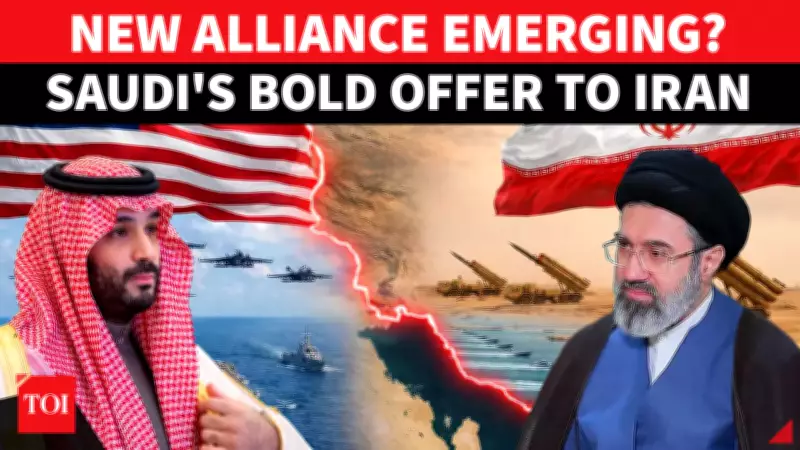
Saudi Arabia is quietly advancing the idea of a regional non-aggression pact with Iran and other Middle Eastern states, aiming to stabilize the region once the ongoing US-Israeli military campaign against Tehran concludes, according to diplomatic sources.
Riyadh’s Diplomatic Initiative
Diplomats familiar with the discussions reveal that Riyadh is exploring the 1975 Helsinki Accords as a potential framework for this initiative. The Cold War-era agreement successfully eased tensions between rival powers in Europe, and Saudi officials believe a similar approach could foster stability in the volatile Middle East.
The proposed pact would include commitments from signatories to refrain from the use of force, respect each other's sovereignty, and resolve disputes peacefully. This move comes amid heightened regional tensions following the US-Israeli conflict with Iran, which has raised concerns about broader instability.

Implications for Israel and the United States
The Saudi initiative has reportedly jolted both Israel and the United States, as it signals a potential shift in regional alliances. While Riyadh has historically been a key US ally, this overture to Iran suggests a more independent foreign policy under Crown Prince Mohammed bin Salman.
Analysts note that the non-aggression pact could reduce the risk of direct confrontation between Iran and Gulf states, but it may also complicate US efforts to isolate Tehran. The proposal underscores Saudi Arabia's desire to play a leading role in shaping post-war regional order.
Historical Context and Challenges
The Helsinki Accords, signed in 1975 by 35 nations including the United States and Soviet Union, established principles of cooperation and human rights. Adapting such a model to the Middle East would require overcoming deep-seated mistrust between Iran and its neighbors, particularly Saudi Arabia and the UAE.
Iran has not yet publicly responded to the proposal, but its leadership has previously expressed openness to regional dialogue. However, the ongoing war and US sanctions remain significant obstacles. Diplomats emphasize that the initiative is still in its early stages and faces considerable hurdles.
Despite these challenges, the Saudi move highlights a growing recognition among Gulf states that long-term stability requires engagement with Iran, rather than perpetual confrontation. The outcome of this diplomatic effort could reshape the Middle East's geopolitical landscape for years to come.