

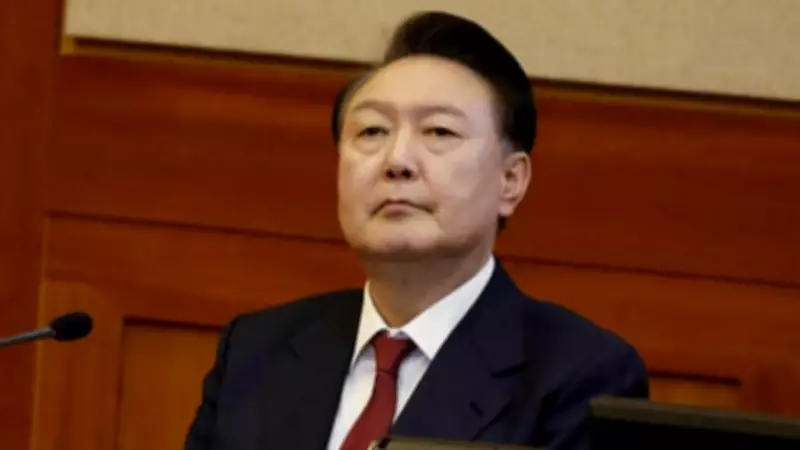
South Korea Braces for Landmark Verdict in Ex-President Yoon's Insurrection Trial
The nation of South Korea is holding its breath as a high-stakes court decision looms in the insurrection trial of former President Yoon Suk Yeol. This pivotal verdict, expected imminently, could reshape the country's political landscape and set a significant legal precedent for handling allegations of subversion against top leaders.
Background of the Case and Charges
Former President Yoon Suk Yeol faces serious charges of insurrection, which allege he attempted to undermine the constitutional order during his tenure. The trial has captivated public attention, with prosecutors presenting evidence that Yoon orchestrated actions aimed at destabilizing the government. Defense lawyers have vehemently denied these accusations, arguing that the charges are politically motivated and lack substantive proof.
The case has unfolded over months of intense legal proceedings, featuring testimonies from key witnesses and debates over constitutional interpretations. Legal experts note that this trial is unprecedented in South Korea's modern history, testing the robustness of its judicial system in addressing alleged misconduct by a former head of state.

Potential Implications for Political Stability
As the verdict approaches, analysts warn of potential unrest and division within South Korean society. Supporters of Yoon view the trial as a witch hunt, while critics insist it is a necessary step to uphold democracy and accountability. The outcome could influence upcoming elections and the balance of power between political factions, with some fearing it might trigger protests or further polarization.
Moreover, the verdict may impact South Korea's international reputation, particularly in terms of its commitment to the rule of law and democratic norms. Neighboring countries and global allies are closely monitoring the situation, aware that instability in South Korea could have ripple effects across the Asia-Pacific region.
Legal and Historical Context
This trial draws comparisons to past political scandals in South Korea, but the insurrection charges add a unique layer of gravity. Historically, the country has grappled with corruption and abuse of power among leaders, yet allegations of outright insurrection are rare and carry severe penalties, including possible imprisonment.
The court's decision will be scrutinized for its adherence to legal standards and fairness. If convicted, Yoon could face significant consequences, setting a precedent for future cases involving high-ranking officials. Conversely, an acquittal might be seen as a vindication for his supporters but could also raise questions about the effectiveness of South Korea's anti-corruption mechanisms.
Public Reaction and Media Coverage
Media outlets in South Korea have provided extensive coverage of the trial, with debates raging on television and social media about its merits and implications. Public opinion is deeply split, reflecting the broader political divides in the country. Many citizens express anxiety over the potential for social upheaval, regardless of the verdict.
In the lead-up to the announcement, security has been tightened around courthouses and government buildings to prevent any incidents. Authorities urge calm and respect for the judicial process, emphasizing the importance of maintaining peace during this critical moment.
As South Korea awaits this historic verdict, the nation stands at a crossroads, with the outcome poised to influence its democratic trajectory and societal cohesion for years to come. The world watches closely, recognizing the trial's significance not just for South Korea, but as a test case for accountability in democracies globally.






