

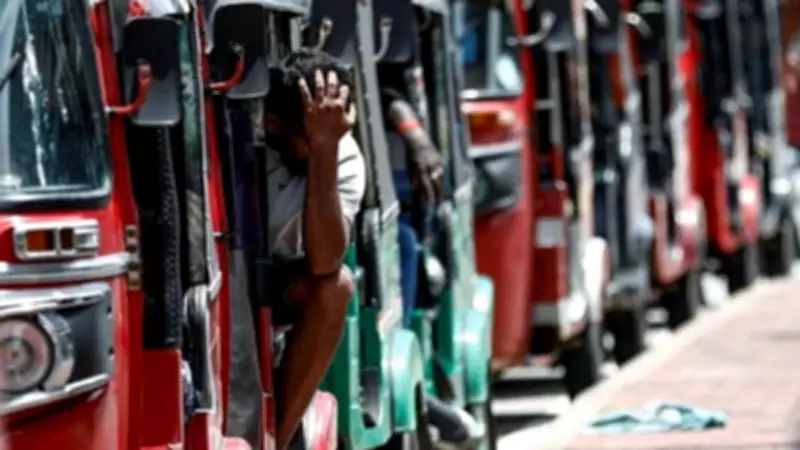
Sri Lanka Announces Significant Fuel Price Increase
In a move that is set to impact the daily lives of its citizens, Sri Lanka has implemented a substantial 25% hike in fuel prices. This decision comes as the nation grapples with the economic repercussions of the ongoing conflict in West Asia, which has led to a sharp rise in global oil prices. The price adjustment affects all types of fuel, including petrol and diesel, and is expected to have widespread effects on transportation costs and overall inflation in the country.
Impact of Global Oil Market Volatility
The conflict in West Asia has created significant volatility in international oil markets, driving up costs for importing nations like Sri Lanka. As a net importer of petroleum products, Sri Lanka is highly vulnerable to such price fluctuations. The 25% increase is a direct response to these external pressures, aimed at mitigating the financial strain on the government's budget. Authorities have cited the need to align domestic prices with global trends to prevent further economic instability.
Economic and Social Consequences
This fuel price hike is anticipated to have a ripple effect across Sri Lanka's economy. Transportation costs are likely to surge, leading to higher prices for goods and services. This could exacerbate existing inflationary pressures, making it more challenging for households to manage their expenses. The government has acknowledged these concerns but emphasized that the adjustment is necessary to maintain fiscal balance and avoid shortages in fuel supply.

- A 25% rise in petrol and diesel prices effective immediately.
- Driven by global oil price spikes due to the West Asia conflict.
- Aims to reduce the government's subsidy burden and align with international markets.
- Expected to increase transportation and living costs, contributing to inflation.
Government's Rationale and Public Response
Sri Lankan officials have defended the decision, stating that it is a proactive measure to address the economic challenges posed by the conflict in West Asia. They argue that without this hike, the country could face severe fuel shortages and further economic downturns. However, the public has expressed concerns over the immediate impact on their livelihoods, with many calling for alternative solutions to cushion the blow. The government has hinted at potential relief measures for vulnerable groups, but details remain unclear.






