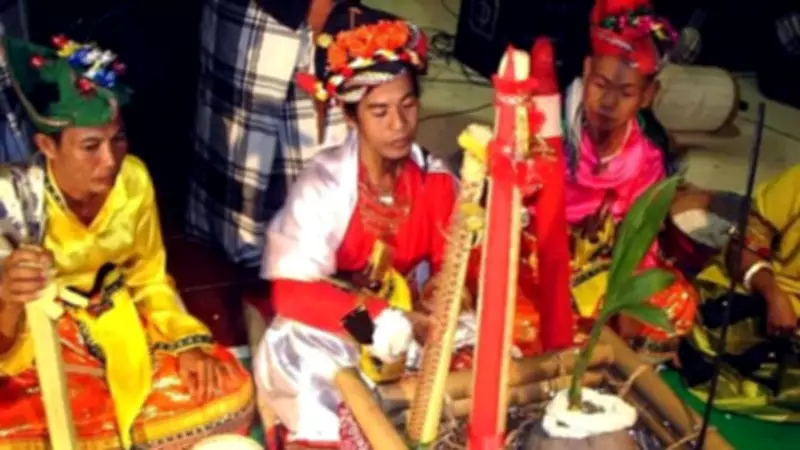
In the highlands of Sulawesi, Indonesia, an ancient Bugis tradition recognizes not two, but five genders. At the heart of this system are the bissu, transgender priests who embody a blend of male and female, human and divine. For centuries, they have performed sacred rituals, blessing harvests, weddings, and births. Their existence challenges modern Western notions of gender identity, offering a rare example of inclusion rooted in faith and culture.
The Five Genders of Bugis Society
The Bugis people, who primarily inhabit South Sulawesi, traditionally acknowledge five distinct genders: oroane (cisgender male), makunrai (cisgender female), calabai (biological male who adopts female roles), calalai (biological female who adopts male roles), and bissu (transgender priests who embody all genders). The bissu are considered to be beyond the binary, possessing a spiritual neutrality that allows them to mediate between the human world and the divine.
The Role of the Bissu
Bissu are not merely tolerated; they are revered. They serve as keepers of ancient rituals, healers, and spiritual advisors. Their status is earned through rigorous training, which includes learning sacred chants, dances, and the art of trance. In ceremonies, they wear elaborate clothing that blends masculine and feminine elements, symbolizing their unique position. The bissu are believed to have the power to bless crops, ensure fertility, and protect communities from harm.

Historically, the bissu held high positions in the courts of Bugis kings. However, their prominence waned with the arrival of Islam and later Dutch colonialism. In recent decades, the rise of conservative interpretations of Islam has led to increased discrimination against transgender individuals in Indonesia, including the bissu. Despite this, many communities in Sulawesi continue to honor the bissu as sacred figures.
Challenges and Resilience
Today, the number of bissu is dwindling. Younger generations are less inclined to take on the demanding role, and social pressures from outside the community make it difficult to maintain traditions. However, some bissu are adapting, using social media to share their stories and educate others about their culture. They also play a role in interfaith dialogue, demonstrating that gender diversity can coexist with religious faith.
Anthropologists and human rights advocates have studied the bissu as an example of how traditional societies can accommodate gender diversity. Unlike many modern debates that frame transgender identity as a political or medical issue, the Bugis tradition frames it as a spiritual calling. This perspective offers a powerful counter-narrative to the idea that gender diversity is a recent or Western import.
Preserving a Sacred Tradition
Efforts are underway to preserve the bissu tradition. Cultural festivals in South Sulawesi often feature bissu performances, and some universities have begun documenting their rituals. Local activists are working to ensure that the bissu are protected under Indonesian law, which does not legally recognize third genders. For now, the bissu remain a living testament to the richness of human diversity and the enduring power of culture to challenge simplistic binaries.