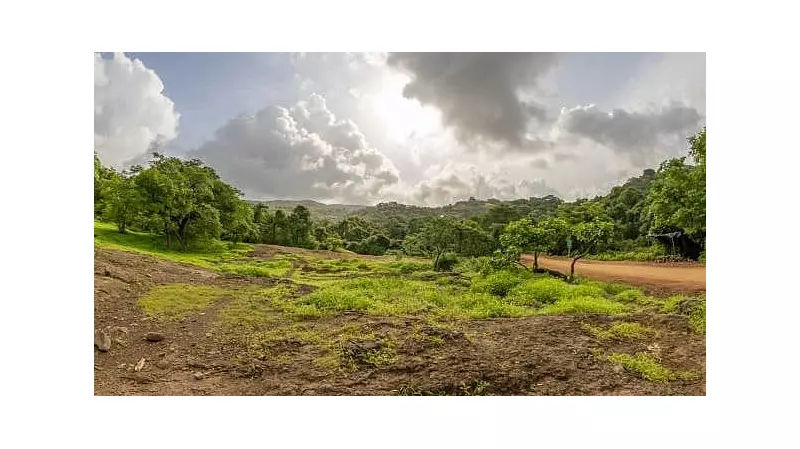
Eviction Drive Ignites Tension in Mumbai's Sanjay Gandhi National Park
The Sanjay Gandhi National Park (SGNP), often hailed as the green lung of Mumbai, is currently embroiled in escalating tensions following the initiation of an eviction drive by authorities. This sprawling protected area, which serves as a critical ecological haven in the bustling metropolis, is witnessing heightened conflicts as efforts to clear certain zones unfold.
Ecological Significance and Biodiversity at Stake
SGNP is renowned for its immense ecological value, housing a diverse array of animal and bird species that contribute to Mumbai's natural heritage. As one of the largest urban national parks in India, it plays a vital role in maintaining environmental balance, providing habitats for wildlife, and offering recreational spaces for residents. The park's lush greenery acts as a buffer against pollution and urban heat, making its preservation a matter of public interest.
Details of the Eviction Drive and Rising Tensions
The eviction drive, spearheaded by the Maharashtra Forest Department, aims to address encroachments and unauthorized settlements within the park's boundaries. However, this move has sparked significant unrest among local communities and conservationists. Reports indicate that the drive has led to confrontations, with concerns raised about the displacement of people and potential disruptions to the park's fragile ecosystems.

Authorities argue that the evictions are necessary to protect the park's integrity and prevent further degradation. Yet, critics highlight the need for a balanced approach that considers both conservation goals and the welfare of affected individuals. The situation underscores the complex challenges of managing urban green spaces in densely populated cities like Mumbai.
Broader Implications for Urban Conservation
This incident sheds light on the broader issues of urban conservation and land use conflicts in India. As cities expand, the pressure on natural reserves intensifies, leading to difficult decisions between development and environmental protection. The tensions in SGNP serve as a reminder of the importance of inclusive planning and stakeholder engagement in such initiatives.
Moving forward, experts suggest that collaborative efforts involving government agencies, environmental groups, and local communities could help mitigate conflicts. Ensuring transparency and addressing humanitarian concerns while safeguarding biodiversity will be key to resolving the current standoff and setting a precedent for similar cases across the country.