Thailand's General Election Vote Counting Commences After Nationwide Polling
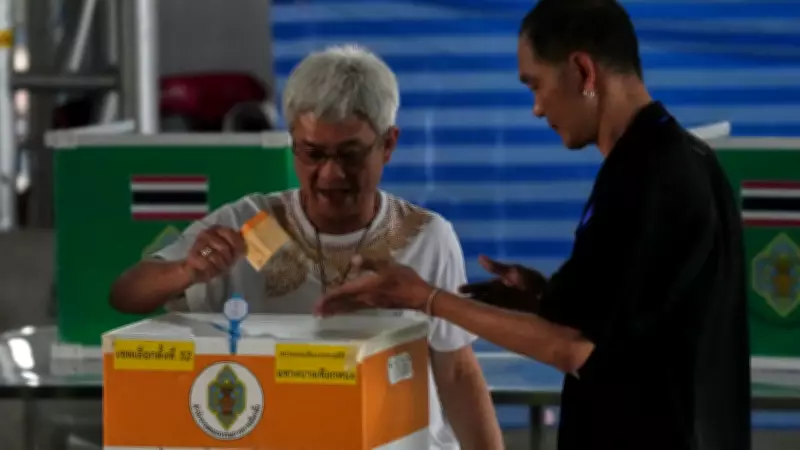
Vote counting is now actively underway in Thailand after millions of citizens participated in Sunday's early general election. The electoral process, which saw 53 million registered voters cast their ballots, unfolded against a complex backdrop of sluggish economic growth and rising nationalist sentiments across the nation.
Three Major Parties Dominate the Political Landscape
The election was widely characterized as a three-way contest among the nation's most influential political forces:
- The progressive People's Party, successor to the dissolved Move Forward Party
- The populist Pheu Thai Party, historically linked to former Prime Minister Thaksin Shinawatra
- The conservative Bhumjaithai Party, led by incumbent Prime Minister Anutin Charnvirakul
While more than 50 political parties participated in the electoral process, only these three organizations demonstrated sufficient nationwide support to potentially form a functioning government, according to political analysts.

Coalition Government Expected as Majority Remains Elusive
Early projections indicate that no single party will secure an outright majority in the 500-member House of Representatives. This parliamentary body holds the crucial responsibility of selecting Thailand's next prime minister, requiring a simple majority vote. Consequently, extensive coalition-building negotiations are anticipated in the coming days and weeks to establish a stable government.
"We have done everything that we had to, but we cannot force the mind of the people. We can only present ourselves, and hope that the people will have faith in us," Prime Minister Anutin Charnvirakul remarked after casting his vote in Buriram, as reported by the Associated Press.
Progressive Party Leads Pre-Election Surveys
The People's Party entered election day leading in most opinion polls, positioning itself as the progressive alternative to established political forces. Party leader Natthaphong Ruengpanyawut expressed confidence after voting in Bangkok, stating, "I think we will get the mandate from the people, and we promised the people that we will form the people's government to bring policies that benefit all, not a few in the country."
The party has maintained its advocacy for reforms within Thailand's military, police, and judicial systems, particularly appealing to younger and urban voters. However, legal constraints compelled the organization to moderate its platform, shifting emphasis toward economic issues while setting aside previous demands for changes to laws protecting the monarchy from criticism.
Conservative and Populist Alternatives Present Contrasting Visions
Bhumjaithai, representing conservative interests and seen as the establishment's preferred choice, seeks to maintain continuity under Prime Minister Anutin's leadership. The party's platform emphasizes stability and gradual reform within existing constitutional frameworks.
Meanwhile, the Pheu Thai Party campaigned vigorously on promises of economic revival and direct financial support to citizens, though pre-election surveys placed them in third position. "I'm excited, because I think today will be another busy day for the country's democracy," said lead candidate Yodchanan Wongsawat, nephew of former Prime Minister Thaksin Shinawatra.
Constitutional Referendum Adds Another Layer to Electoral Process
Sunday's ballot included an additional referendum question regarding whether Thailand should begin drafting a new constitution to replace the current 2017 military-drafted charter. While no specific constitutional draft was presented for approval, this referendum represents a significant step toward potential political restructuring, reflecting ongoing debates about Thailand's governance framework.
The election results and subsequent coalition negotiations will determine whether Thailand can break its persistent political deadlock or continue with the fragmented governance that has characterized recent years. International observers and domestic analysts alike are closely monitoring the vote counting process and emerging political alignments that will shape Thailand's immediate future.