

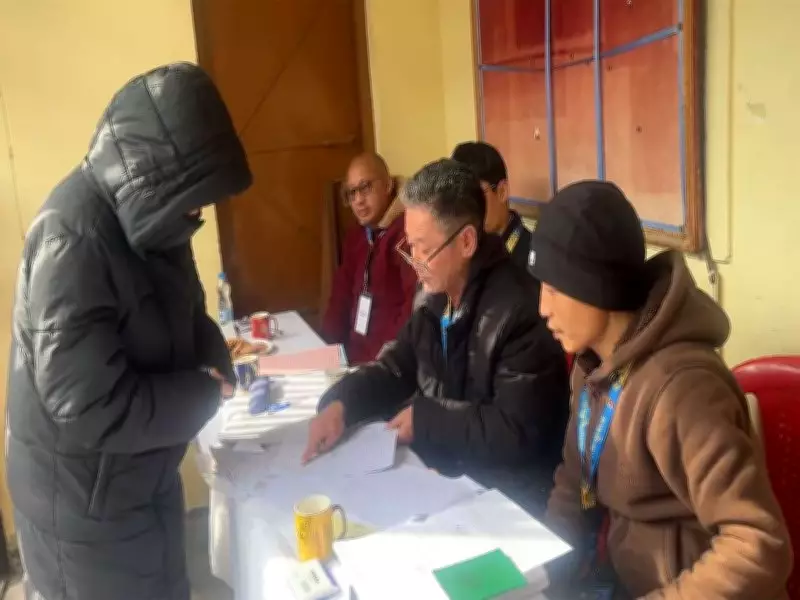
Tibetan Exile Community Participates in Historic First Phase of Sikyong and Parliament Elections
The global Tibetan diaspora has actively engaged in a significant democratic exercise, casting their votes in the inaugural phase of the Sikyong and Parliament in Exile elections. This electoral process, which commenced recently, marks a pivotal moment for the community as it seeks to strengthen its leadership and governance structures while living in exile.
Widespread Participation Across Multiple Nations
Voting activities were conducted across various countries where Tibetan exiles have established communities, including India, Nepal, and several Western nations. The elections are organized by the Central Tibetan Administration, based in Dharamshala, India, which serves as the de facto government for Tibetans living outside their homeland.
The first phase focused on electing representatives to the Parliament in Exile, a legislative body that plays a crucial role in advocating for Tibetan rights and preserving cultural heritage. Simultaneously, voters began the process of selecting the Sikyong, the political leader of the Tibetan exile community, often referred to as the "Prime Minister" in exile.

Community Survival Tops the Electoral Agenda
Foremost among the issues driving voter turnout and candidate platforms is the survival and continuity of the Tibetan community. Key concerns highlighted during the campaign include:
- Preserving Tibetan language, culture, and religious practices in diaspora settings.
- Advocating for human rights and self-determination for Tibetans within China.
- Addressing socio-economic challenges faced by exile communities, such as education and employment opportunities.
- Strengthening international support and diplomatic efforts for the Tibetan cause.
Candidates have emphasized strategies to enhance community resilience, with many proposing initiatives to support youth engagement and intergenerational dialogue. The elections are seen not just as a political event but as a vital mechanism for maintaining unity and identity among Tibetans scattered across the globe.
Electoral Process and Future Phases
The voting process follows established democratic principles, with ballots cast in person at designated polling stations and through postal services for those in remote areas. The elections are conducted in multiple phases to ensure broad participation, with subsequent rounds scheduled to finalize the selection of Parliament members and the Sikyong.
Observers note that these elections occur against a backdrop of ongoing tensions between the Tibetan exile community and the Chinese government, which views such activities as separatist. Despite this, participants express hope that the newly elected leadership will effectively navigate these challenges and advance the community's interests on the global stage.
As the first phase concludes, attention now turns to vote counting and the upcoming phases, with results expected to shape the direction of Tibetan exile politics for years to come. The outcome is anticipated to influence advocacy efforts, cultural preservation projects, and international relations concerning Tibet.






