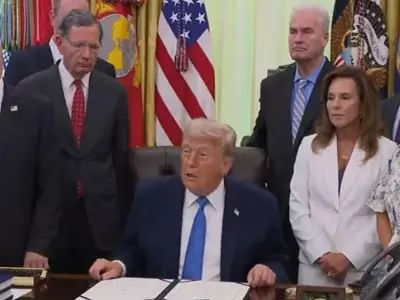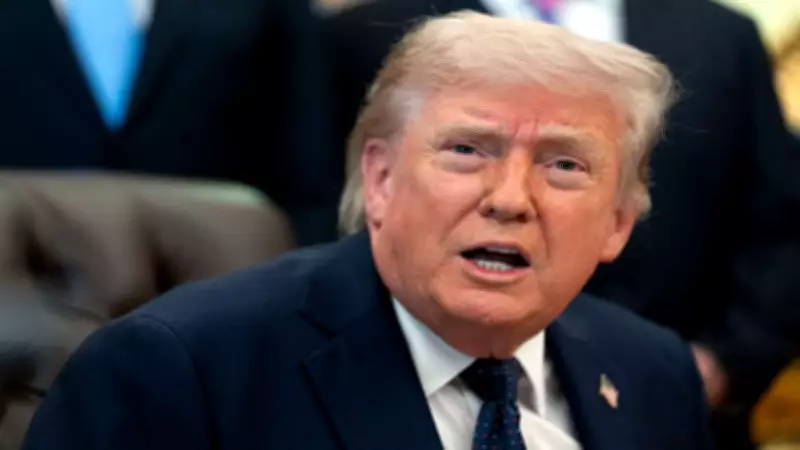
In a significant development that has sent shockwaves through diplomatic circles, US President Donald Trump has abruptly halted a planned delegation trip to Islamabad, delivering a major setback to ongoing peace efforts in West Asia. The decision, announced late Thursday, underscores the growing tensions between Washington and Islamabad and raises questions about the future of US engagement in the region.
Trump's Statement and Rationale
President Trump took to social media to announce the cancellation, stating, "We have all the cards." The remark was widely interpreted as a signal that the United States holds leverage over Pakistan and is unwilling to proceed with diplomatic engagements unless its demands are met. The delegation was originally scheduled to discuss counterterrorism cooperation, economic ties, and the Afghan peace process.
Impact on West Asia Peace Efforts
The halt comes at a critical juncture for West Asia peace initiatives, particularly regarding the situation in Afghanistan. Pakistan has long been seen as a key player in facilitating talks between the Taliban and the Afghan government. Analysts suggest that Trump's move could undermine trust and complicate efforts to achieve a lasting settlement.

Pakistan's Response
Pakistani officials expressed disappointment over the sudden cancellation. Foreign Ministry spokesperson Zahid Hafeez Chaudhri said, "Pakistan remains committed to peace and stability in the region. We hope the United States will reconsider its decision and engage constructively." However, some Pakistani commentators viewed the move as a pressure tactic ahead of potential negotiations.
Broader Implications for US-Pakistan Relations
The decision marks a low point in US-Pakistan relations, which have been strained over issues such as the alleged presence of terrorist safe havens on Pakistani soil and differences over the Afghan peace process. The Trump administration has previously suspended security assistance to Pakistan, demanding stronger action against militant groups.
Regional Reactions
Neighboring countries, including India and Iran, are closely monitoring the situation. India has long criticized Pakistan's support for cross-border terrorism, while Iran has its own interests in West Asia stability. The US move could embolden India to take a harder stance on Pakistan, while Iran may seek to fill any diplomatic vacuum.
What's Next?
It remains unclear whether the delegation trip will be rescheduled. The Trump administration has not provided a timeline for future engagement. Some experts suggest that the halt could be a prelude to more aggressive measures, such as increased sanctions or a reduction in diplomatic staff. Others believe it is a strategic pause to reassess US priorities in the region.
As the situation unfolds, the international community watches closely. The decision not only affects US-Pakistan ties but also has far-reaching consequences for peace and security in West Asia. With President Trump asserting that the US "has all the cards," the coming weeks will reveal whether this is a negotiating tactic or a fundamental shift in US foreign policy.