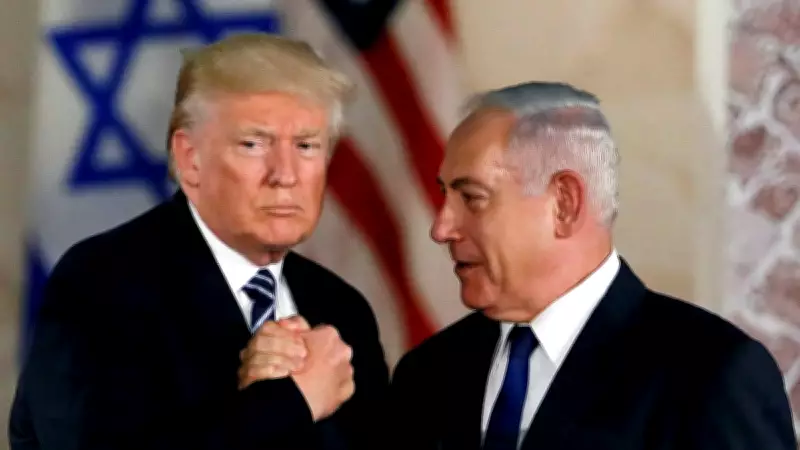
Reports have emerged of a tense phone call between former US President Donald Trump and Israeli Prime Minister Benjamin Netanyahu regarding the future of military action against Iran. The conversation, which took place recently, highlighted significant disagreements between the two leaders over the timing and scope of potential strikes.
Background of the Call
According to sources familiar with the matter, the call was initiated by Netanyahu, who expressed frustration over Trump's decision to postpone planned strikes on Iranian nuclear facilities. Trump had earlier stated on Sunday that he had put off strikes originally scheduled for Tuesday, following a request from Arab nations including Qatar and the United Arab Emirates.
Key Points of Contention
- Timing of Strikes: Netanyahu pushed for immediate action, citing intelligence suggesting Iran was close to developing nuclear weapons. Trump, however, argued that more time was needed for diplomatic efforts.
- Arab Mediation: Trump emphasized the role of Arab nations in requesting a delay, suggesting that a broader coalition was necessary for any military campaign.
- Future Strategy: The two leaders reportedly clashed over long-term strategy, with Netanyahu favoring a more aggressive approach while Trump advocated for caution and coalition-building.
Implications for US-Israel Relations
The tense exchange underscores growing strains in the US-Israel relationship, particularly regarding Iran policy. While both nations share the goal of preventing Iran from acquiring nuclear weapons, differences in tactics and timing have become increasingly apparent. Analysts suggest that this could impact future cooperation on regional security issues.

Reactions from Other Stakeholders
Arab nations, including Qatar and the UAE, have welcomed Trump's decision to delay strikes. They have expressed interest in facilitating further negotiations between the US, Israel, and Iran. Meanwhile, Iran has condemned the threats of military action, warning of severe consequences if attacked.
The White House has not officially commented on the reported phone call, but a spokesperson reiterated the administration's commitment to preventing a nuclear-armed Iran through both diplomatic and military means.