US President Donald Trump has issued a strong warning to Iran following an attack on three US Navy ships in the strategic Strait of Hormuz. The incident, which occurred on May 8, 2026, has heightened tensions between the two nations.
Details of the Attack
According to US defense officials, three American naval vessels were targeted by small boats believed to be operated by Iranian forces. The attack took place in the Strait of Hormuz, a critical waterway for global oil shipments. The ships were conducting routine patrols when they came under fire. No casualties were reported, but the vessels sustained minor damage.
Trump's Response
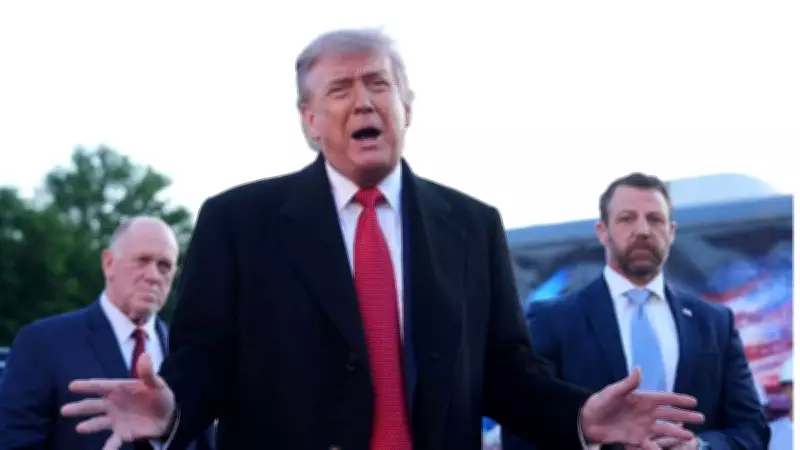
In a statement from the White House, President Trump declared, "If they attack our ships again, we will knock them out. We will not tolerate any aggression against our military." He emphasized that the US military is prepared to respond decisively to any threats. The President also called on Iran to cease its provocative actions and engage in diplomatic talks.

Regional Implications
The attack comes amid ongoing tensions over Iran's nuclear program and its influence in the Middle East. The Strait of Hormuz is a vital chokepoint for oil tankers, and any disruption could impact global energy markets. Analysts warn that further escalation could lead to a broader conflict involving other regional powers.
International Reactions
The United Nations has called for restraint from both sides. Secretary-General António Guterres urged dialogue to de-escalate the situation. Meanwhile, allies of the US, including the UK and Saudi Arabia, have expressed support for Washington's stance. Iran has denied involvement in the attack, blaming "third-party elements" seeking to destabilize the region.
Historical Context
This is not the first confrontation between US and Iranian forces in the Gulf. In 2019, Iran shot down a US drone, and there have been numerous incidents involving oil tankers and naval vessels. The Trump administration has pursued a policy of maximum pressure on Iran, including economic sanctions and military deterrence.
As the situation develops, the US Navy has increased its presence in the region. The Pentagon has ordered additional warships to the Gulf to ensure the safety of American forces and maintain freedom of navigation. The attack on the three ships is likely to prompt a review of naval tactics and rules of engagement.