

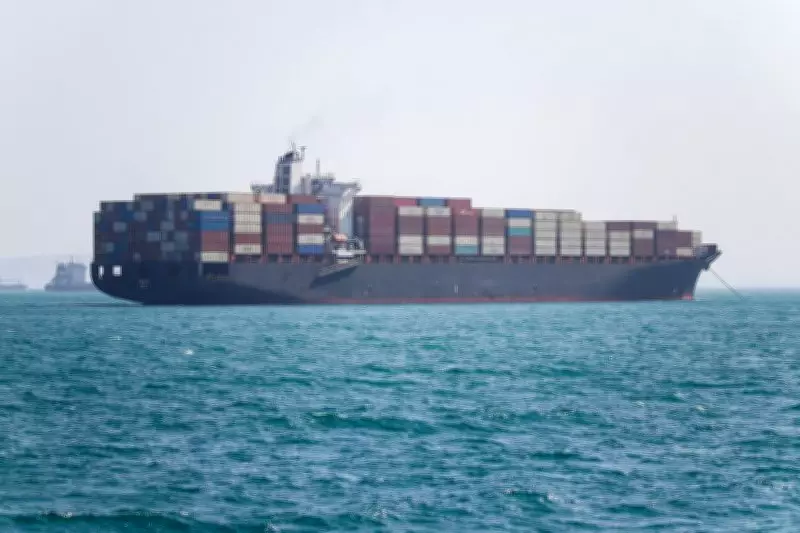
The United States is intensifying diplomatic efforts to reopen the Strait of Hormuz, a critical maritime chokepoint for global oil shipments, following a series of Iranian attacks on the United Arab Emirates that are straining an already fragile ceasefire in the region. The developments have raised concerns about a broader escalation in the Persian Gulf, with Washington warning that any disruption to the strait could have severe economic and security consequences.
Background of the Strait of Hormuz
The Strait of Hormuz, located between Oman and Iran, is one of the world's most important oil transit routes. Approximately 20% of the world's petroleum passes through this narrow waterway, making it a strategic focal point for global energy security. In recent years, Iran has periodically threatened to block the strait in response to international sanctions or military pressure.
Iranian attacks on UAE targets
According to reports, Iranian-backed forces have launched multiple attacks on UAE soil, including drone strikes and missile attacks on key infrastructure. These attacks have not only caused physical damage but also undermined the ceasefire agreement that had been in place between warring factions in the region. The UAE, a key US ally, has called for international intervention to halt the aggression.

The US administration has condemned the attacks and is working with allies to de-escalate tensions. A senior State Department official stated that the reopening of the Strait of Hormuz is a top priority, as the current situation threatens to disrupt global oil supplies and trigger a spike in energy prices. The official emphasized that the US is committed to ensuring freedom of navigation in international waters.
Ceasefire under strain
The ceasefire, brokered by the United Nations and regional powers, had brought a temporary halt to hostilities in Yemen and other conflict zones. However, the Iranian attacks on the UAE have violated the terms of the agreement, leading to accusations of bad faith from both sides. The UAE has threatened to retaliate if the attacks continue, raising the specter of a wider war.
International response
The United Nations Security Council is scheduled to hold an emergency session to discuss the situation. Several European nations have also called for restraint and urged Iran to abide by international law. Meanwhile, oil prices have already begun to rise, with analysts warning that a prolonged closure of the Strait of Hormuz could lead to a global recession.
In response, Iran has denied involvement in the attacks, blaming instead other non-state actors. However, US intelligence reports indicate that the attacks were carried out by Iranian proxies operating from bases in the region. The US has warned that it will take all necessary measures to protect its interests and those of its allies.
Strategic implications
The reopening of the Strait of Hormuz is not just an economic imperative but also a strategic one. A prolonged closure would embolden Iran and weaken US credibility in the region. The US is therefore exploring multiple options, including increased naval patrols, diplomatic pressure, and economic sanctions, to ensure the strait remains open.
As the situation develops, all eyes are on Washington and Tehran to see if a diplomatic solution can be reached before the conflict spirals out of control. The international community is hoping that cooler heads will prevail and that the ceasefire can be restored to prevent further bloodshed and economic turmoil.






