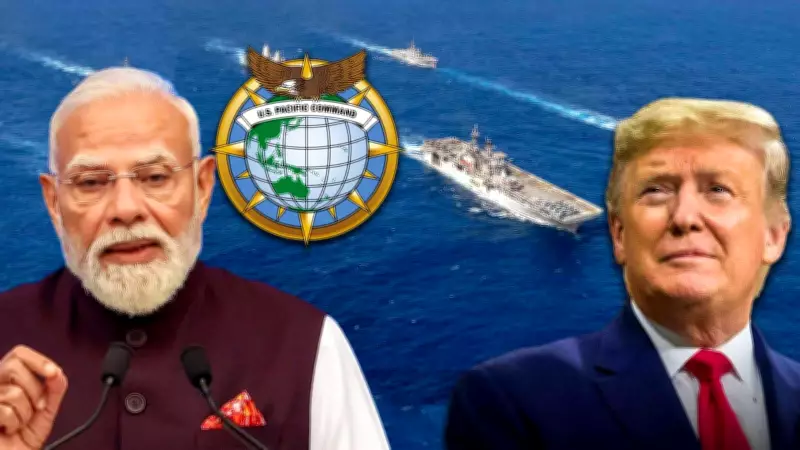
The US Department of War has officially renamed the US Indo-Pacific Command (USINDOPACOM) back to the US Pacific Command (USPACOM), reversing a key strategic rebranding that took place in 2018. The original change had emphasized India's growing importance in American security planning. Although officials maintain that the command's responsibilities remain unchanged, the decision has sparked debate over the future of the Indo-Pacific framework, the Quad grouping, and India's place in Washington's long-term geopolitical strategy.
Reactions and Implications
The move has drawn reactions from political leaders, including Congress MP Shashi Tharoor, who described it as "another nail in the coffin of the Quad." The Quad, which includes the US, India, Japan, and Australia, has been a cornerstone of the Indo-Pacific strategy. The renaming raises questions about the US commitment to the region and its partnerships.
Strategic Context
The original rebranding in 2018 was seen as a signal of the US pivot towards India and the broader Indo-Pacific region. The reversal could indicate a shift in priorities or a recalibration of terminology. However, US officials insist that the command's mission and area of responsibility remain the same.

Expert Analysis
Analysts suggest that the name change might be symbolic but could have real-world consequences for diplomatic messaging. The term "Indo-Pacific" was meant to highlight India's role as a key partner. Reverting to "Pacific Command" may downplay that emphasis, potentially affecting India's perception of its strategic value to the US.
Future of the Quad
The Quad's future is now under scrutiny. While the grouping has focused on maritime security, infrastructure, and technology cooperation, the name change could undermine its political visibility. Tharoor's comment reflects concerns that the US may be stepping back from its commitment to the Indo-Pacific vision.
As the geopolitical landscape evolves, the renaming serves as a reminder of the fluid nature of international alliances. The coming months will reveal how India and other Quad members respond to this development.