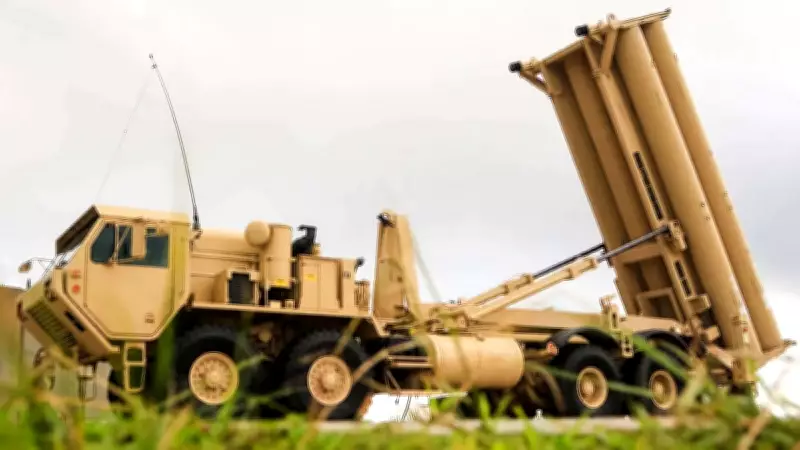
The United States expended nearly half of its THAAD interceptor inventory during the defense of Israel, according to a new report. The revelation highlights the scale of the aerial threats faced by Israel and the critical role of American missile defense systems in countering them.
Details of the Report
By contrast, Israel fired fewer than 100 of its Arrow interceptors and around 90 David's Sling interceptors, some of which were used against less sophisticated projectiles fired by Iran-backed groups in Yemen and Lebanon, the report stated on Thursday. The data underscores the intensity of the barrage and the reliance on advanced defense systems.
Implications for US Defense Posture
The significant expenditure of THAAD interceptors raises questions about the sustainability of US missile defense stockpiles and the need for replenishment. Defense analysts note that such usage could impact US readiness in other theaters. The report did not specify the exact number of interceptors fired but described the usage as roughly half of the US inventory deployed in the region.

Israel's use of Arrow and David's Sling systems was comparatively restrained, with many interceptors reserved for more advanced threats. The David's Sling system, designed to counter medium-range rockets and missiles, was also used against some projectiles from Yemen and Lebanon, indicating the diverse nature of the attacks.
The report comes amid ongoing tensions in the Middle East, with Iran-backed groups continuing to pose a threat to Israel and US forces. The Pentagon has not officially commented on the report, but sources indicate that discussions about replenishing THAAD stocks are underway.