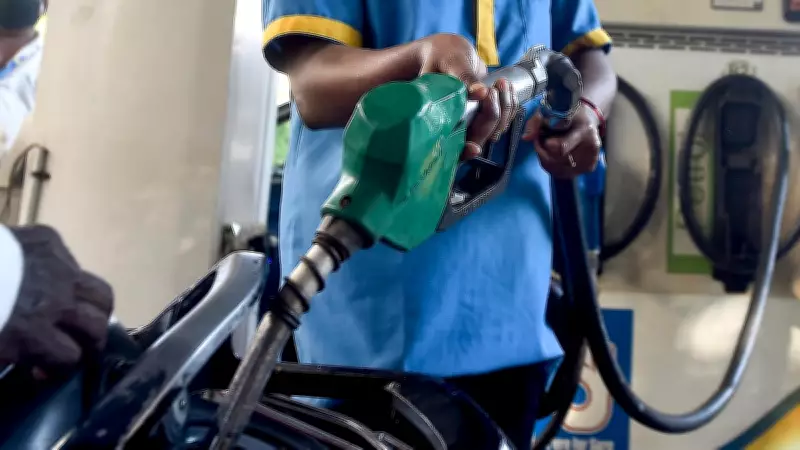
The United States has ended its waiver on imports of Russian oil, a move that could have significant implications for global energy markets and particularly for India, which has emerged as the top consumer of Russian seaborne crude. With purchases near record highs in April and May, the end of the waiver raises concerns about a potential rise in petrol and diesel prices in the country.
India's Dependence on Russian Oil
India has been aggressively purchasing Russian crude oil, taking advantage of discounted prices following Western sanctions on Russia. In April and May, Indian refineries imported near-record volumes of Russian seaborne crude, making India the largest buyer of such oil. This strategy helped India manage its fuel costs and keep domestic petrol and diesel prices relatively stable.
Impact of the Waiver Ending
The US waiver, which allowed countries like India to import Russian oil without facing secondary sanctions, has now expired. This means that entities involved in the purchase, transportation, or financing of Russian oil could face penalties from the US. Indian refiners and banks may become cautious, potentially reducing imports from Russia.

Will Petrol and Diesel Prices Rise?
The immediate effect on petrol and diesel prices in India depends on several factors:
- Supply Diversification: India may need to source crude from other regions, such as the Middle East or Africa, which could be more expensive than discounted Russian oil.
- Global Oil Prices: The end of the waiver could tighten global supply, pushing up crude prices. This would directly impact Indian fuel prices, as India imports about 85% of its crude oil.
- Government Intervention: The Indian government may adjust excise duties or request oil marketing companies to absorb some cost increases to shield consumers.
Analysts predict that if alternative supplies are not secured quickly, petrol and diesel prices could rise by Rs 5-10 per liter in the coming months. However, the government has assured that it is exploring all options to minimize the impact on consumers.
Global and Domestic Reactions
The US decision has been met with mixed reactions. While some see it as a necessary step to enforce sanctions on Russia, others worry about its effect on emerging economies like India. Domestically, opposition parties have criticized the government for its reliance on Russian oil, calling for a more diversified energy strategy.
Meanwhile, Indian oil marketing companies are in talks with alternative suppliers, including Saudi Arabia, Iraq, and the UAE, to ensure stable supply. The government is also considering increasing strategic petroleum reserves to buffer against price shocks.
Conclusion
The end of the US waiver on Russian oil imports poses a challenge for India's energy security and fuel prices. While the full impact will unfold in the coming weeks, consumers may need to brace for higher petrol and diesel costs. The government's ability to secure alternative supplies and manage fiscal measures will be crucial in mitigating the impact.