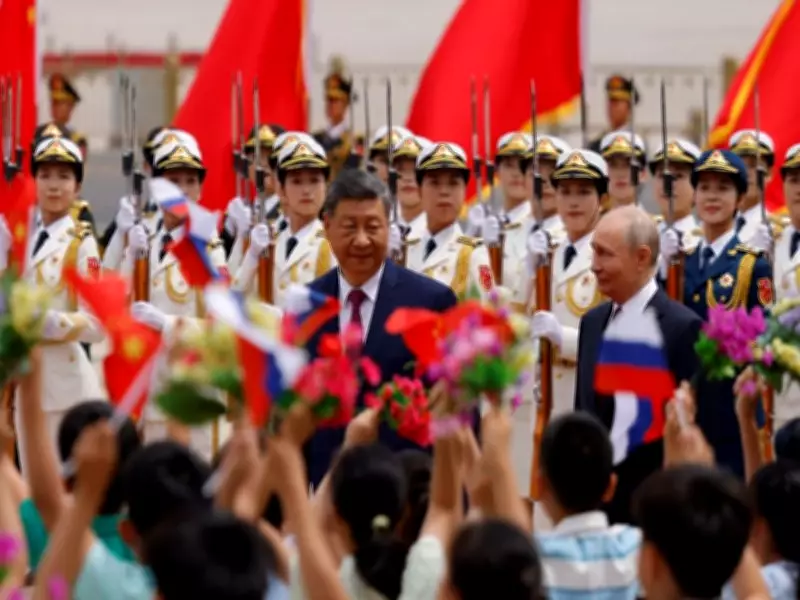
Chinese President Xi Jinping has called for an immediate end to hostilities in the Gulf region during a meeting with his Russian counterpart, Vladimir Putin. The two leaders discussed the escalating tensions in the Middle East, with Xi emphasizing the importance of diplomatic solutions to resolve conflicts.
Xi's Statement on Gulf Crisis
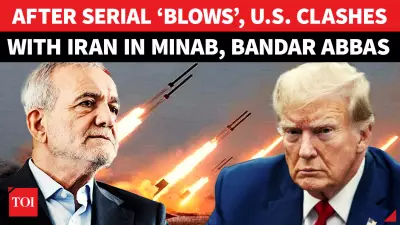
In a joint statement following the talks, Xi urged all parties involved in the Gulf region to exercise restraint and work towards a peaceful resolution. He stressed that military action would only lead to further instability and suffering. Xi's remarks come amid heightened tensions between Iran and the United States, which have raised concerns about a broader conflict.
Putin's Response
President Putin echoed Xi's sentiments, expressing support for a ceasefire and renewed dialogue. The Russian leader noted that Moscow and Beijing share a common stance on the need to de-escalate the situation and prevent any further deterioration. Putin also highlighted the role of the United Nations in mediating the crisis.

Bilateral Relations
The meeting between Xi and Putin also focused on strengthening bilateral ties. Both leaders reaffirmed their commitment to deepening cooperation in trade, energy, and security. They discussed joint efforts to counter unilateral sanctions and promote a multipolar world order.
Global Reactions
The call for peace by the Chinese and Russian presidents has been welcomed by several nations. The European Union and the United Nations have urged all parties to heed the appeal and return to negotiations. However, the United States has not yet officially responded to the statement.
Impact on Oil Prices
Following the remarks, global oil prices saw a slight dip as markets reacted to the possibility of reduced tensions in the Gulf, a key oil-producing region. Analysts suggest that any sustained peace efforts could stabilize energy markets.
In conclusion, Xi Jinping's call for an end to hostilities in the Gulf region during his meeting with Putin marks a significant diplomatic move. The two leaders have positioned themselves as advocates for peace, urging restraint and dialogue to prevent further conflict.