

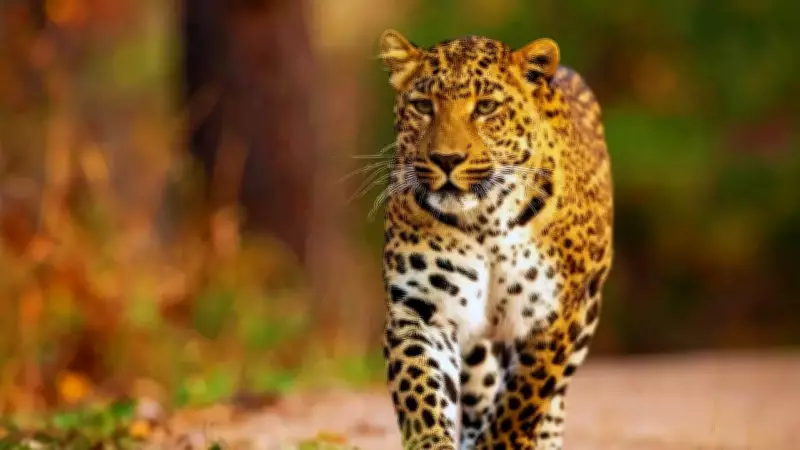
RTI Data Exposes Alarming Leopard Mortality in Madhya Pradesh
Startling information obtained through the Right to Information Act has revealed a deeply concerning trend in Madhya Pradesh's wildlife conservation landscape. According to the official figures, approximately 149 leopards have perished in the state within a remarkably short timeframe of just fourteen months, beginning in January 2025. This distressing statistic underscores significant challenges facing one of India's most adaptable and widespread large cat species.
Primary Causes of Mortality Revealed
The comprehensive data, released in response to an RTI application filed by wildlife activist Ajay Dube, identifies multiple factors contributing to this alarming mortality rate. Vehicle collisions on roads and highways emerge as the single largest cause of leopard fatalities, accounting for approximately one-third of all recorded deaths. Particularly concerning is the revelation that at least nineteen of these deaths occurred specifically on highway systems passing through forested regions.
Natural causes including disease and aging were responsible for about one-fourth of the documented fatalities. Additionally, intraspecific conflicts such as territorial disputes among leopards contributed to approximately one-fifth of the deaths, reflecting natural competition patterns within wildlife populations.

Human-Induced Threats and Conservation Challenges
Human activities have played a significant role in this mortality crisis. The data indicates that:
- Poaching and retaliatory killings have claimed numerous leopard lives
- Electrocution incidents, both accidental and intentional, have resulted in fatalities
- Animals becoming trapped in snares and other devices have contributed to the death toll
- Approximately nine percent of cases remain unexplained despite documentation
Forest department officials have presented a contrasting perspective, suggesting that given Madhya Pradesh's substantial leopard population, these mortality figures might fall within acceptable parameters. The state hosts India's highest leopard concentration, with the Status of Leopards in India 2022 report (published in 2024) documenting approximately 3,907 individuals—a significant increase from the 3,421 leopards recorded in 2018.
Conservation Efforts and Infrastructure Solutions
In response to these challenges, forest authorities have implemented several mitigation strategies:
- Construction of dedicated animal passageways during new road development projects
- Installation of warning signage in protected wildlife zones and vulnerable areas
- Enhanced patrolling protocols in high-risk locations
- Initiatives aimed at reducing human-wildlife conflicts through community engagement
These measures represent a concerted effort to address the dual challenges of wildlife conservation and infrastructure development. The adaptive nature of leopards, which enables them to survive in fragmented habitats near human settlements, ironically increases their vulnerability to road accidents and human encounters as they traverse agricultural fields, residential areas, and transportation corridors.
Balancing Development with Wildlife Protection
The latest mortality statistics emphasize the urgent need for balanced approaches to infrastructure expansion and wildlife corridor preservation. As development projects continue to advance across the state, protecting animal movement routes becomes increasingly critical for maintaining healthy, sustainable leopard populations.
While conservation authorities express cautious optimism about their mitigation strategies, the evolving dynamics between human development and wildlife habitats present ongoing challenges. The situation in Madhya Pradesh serves as a crucial case study for wildlife management across India, highlighting the complex interplay between conservation success (evidenced by population growth) and the resulting increase in human-wildlife interactions.

The fourteen-month data window provides a sobering snapshot of contemporary conservation realities, where successful species recovery must be accompanied by innovative solutions to emerging threats. As India continues to develop its infrastructure network, the protection of vulnerable wildlife species like leopards will require adaptive management approaches, continued monitoring, and collaborative efforts between conservationists, government agencies, and local communities.





