Illegal Tree Felling Shocks Ropar Area
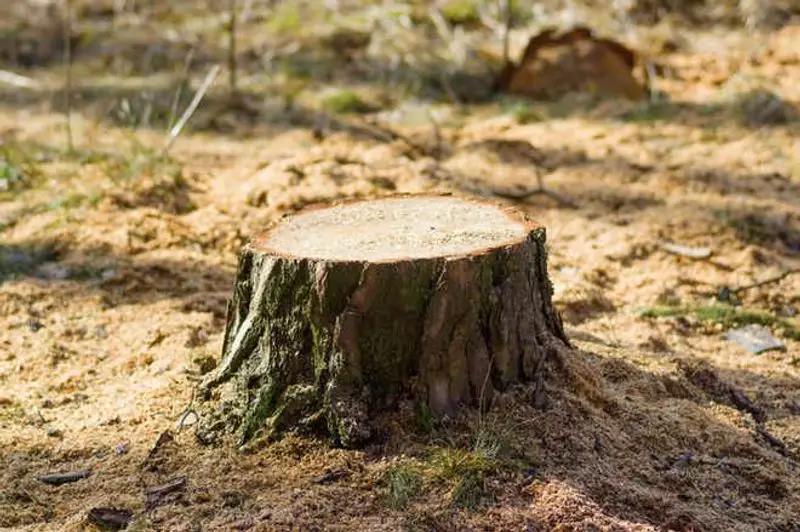
Forest officials in Punjab have uncovered a distressing case of illegal tree cutting. The incident occurred near Ropar, where approximately 150 Khair trees were chopped down without proper authorization.
Discovery and Immediate Response
Local forest department personnel made the discovery during a routine patrol. They found the trees felled in a secluded area. The officials immediately launched an investigation into the matter.
Authorities are now working to identify the culprits behind this act. They believe the trees were cut recently, possibly within the last few days. The forest department has increased surveillance in the region to prevent further illegal activities.

Significance of Khair Trees
Khair trees, also known as Acacia catechu, hold ecological and economic value. They help prevent soil erosion and support local biodiversity. Their wood is often used for making kattha, a traditional ingredient in paan.
Illegal cutting of these trees disrupts the local ecosystem. It also represents a loss of natural resources that benefit communities. Forest officials emphasize the importance of protecting such species.
Ongoing Investigation and Legal Actions
The forest department is gathering evidence from the site. They are examining tool marks and other clues to trace the perpetrators. Officials have not ruled out the possibility of organized involvement.
Under Indian forest laws, illegal tree felling can lead to severe penalties. Offenders may face fines and imprisonment. The department is determined to apply the law strictly in this case.
Residents in the area have expressed concern over the incident. Many rely on the forest for livelihood and environmental balance. The department urges the public to report any suspicious activities in forested zones.
This case highlights ongoing challenges in forest conservation. It underscores the need for vigilant monitoring and community cooperation to safeguard natural habitats.