

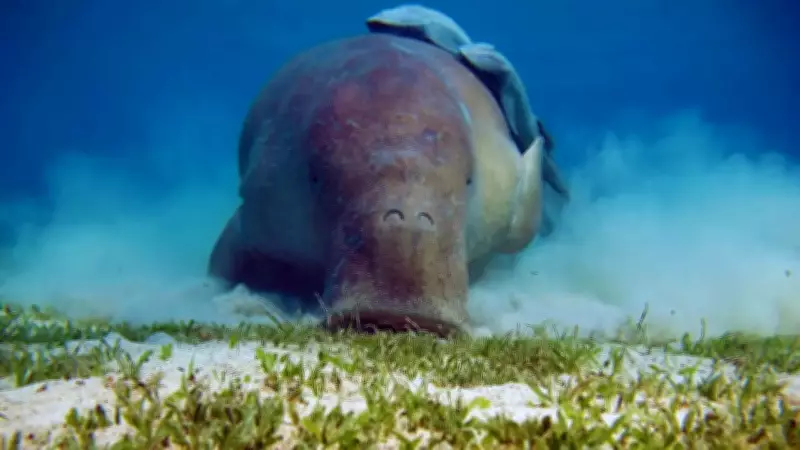
India's Largest Dugong Population Discovered in Tamil Nadu Waters
In a significant development for India's marine conservation efforts and nature-based coastal tourism, a comprehensive survey has documented 270 dugongs along the Tamil Nadu coastline. This discovery represents the country's largest remaining viable population of the endangered marine mammal, often affectionately called "sea cows" due to their gentle grazing behavior.
Survey Details and Population Distribution
The landmark study was conducted by the Wildlife Institute of India in collaboration with the Tamil Nadu Forest Department. Researchers meticulously documented 158 dugongs in Palk Bay and 112 in the Gulf of Mannar. Together, these two regions now constitute India's most important refuge for this vulnerable species.
While dugongs once inhabited various Indian coastal waters, their current distribution has become fragmented. Beyond Tamil Nadu's coast, smaller and more precarious populations persist in:

- The Gulf of Kutch
- The Andaman and Nicobar Islands
However, experts emphasize that these other populations remain considerably smaller and less stable compared to the relatively robust numbers observed in Palk Bay and the Gulf of Mannar.
The Critical Role of Seagrass Habitats
The secret to this conservation success lies beneath the ocean's surface. Dugongs are almost entirely dependent on seagrass meadows, which function as underwater pastures. These vital ecosystems serve multiple purposes:
- Providing essential feeding grounds for dugongs
- Serving as nurseries for numerous fish species
- Contributing to carbon storage and sequestration
- Supporting rich marine biodiversity
The shallow coastal waters of Palk Bay and the Gulf of Mannar boast some of India's most extensive and healthy seagrass beds, creating ideal conditions for dugong survival and reproduction.
Conservation Efforts Driving Population Stability
The relative stability of Tamil Nadu's dugong population is directly attributed to sustained conservation initiatives under the Dugong Recovery Programme, implemented by the Wildlife Institute of India. This program has received crucial funding from the Compensatory Afforestation Fund Management and Planning Authority (CAMPA).
Equally important has been the Tamil Nadu Forest Department's successful engagement with local fishing communities. Since accidental entanglement in fishing nets represents the primary threat to dugongs, fisherfolk participation has been instrumental in reducing mortality rates. A landmark achievement in habitat protection was the establishment of the 448 square kilometer Dugong Conservation Reserve in Palk Bay, formally safeguarding critical habitat within one of the species' core zones.
Ecological Significance and Breeding Indicators
Dugongs play a vital ecological role as grazers of seagrass meadows. Their feeding activities help maintain seagrass health by controlling growth height and promoting new shoots. Consequently, dugong presence often serves as an indicator of healthy marine ecosystems.
Survey teams made an especially encouraging discovery: multiple mother-calf pairs among the observed dugongs. This represents a positive sign of active breeding within the population, which is particularly significant given that dugongs are slow reproducers with low reproductive rates.
Implications for Coastal Tourism and Future Initiatives
For travelers and tourism stakeholders, this development highlights Tamil Nadu's underappreciated marine treasures. While the state is renowned for its temple towns and cultural heritage sites, its coastal ecosystems—particularly around the Rameswaram coast and Gulf of Mannar—are gaining recognition for their exceptional ecological value.
Authorities are planning to establish India's first-ever Dugong Conservation Centre in Manora, Thanjavur district. This facility will support research, conservation, and potentially responsible ecotourism initiatives focused on these remarkable marine mammals.

A Global Conservation Context
Globally, dugong populations continue to face significant pressures from habitat degradation, coastal development, and bycatch in fishing operations. Against this challenging backdrop, India's stabilizing dugong numbers along the Tamil Nadu coast represent a rare and hopeful narrative in marine conservation.
For travelers seeking meaningful coastal experiences that combine natural wonder with conservation awareness, the story unfolding in Palk Bay and the Gulf of Mannar serves as a powerful reminder that some of India's most inspiring environmental successes are occurring quietly, beneath the surface of its southern seas.





