

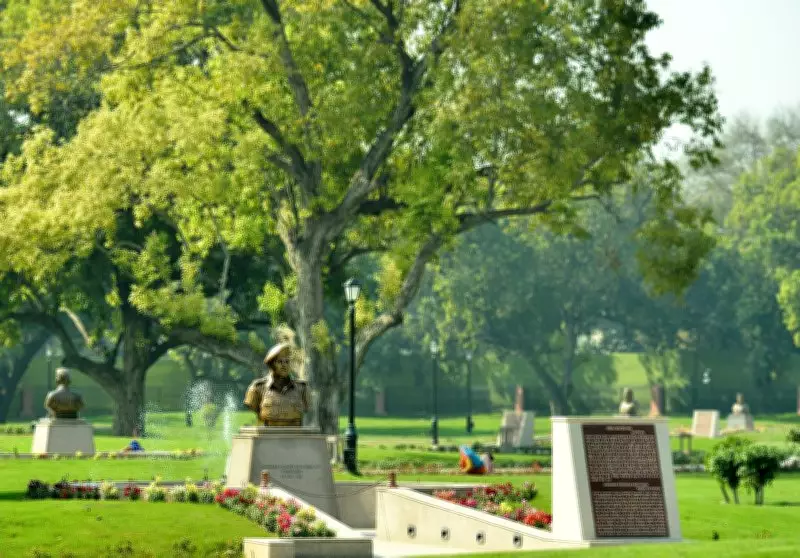
43 Trees Dead in Central Vista Redevelopment, Experts Slam Relocation Strategy
In a concerning development for Delhi's urban landscape, forty-three trees have perished as part of the Central Vista redevelopment project, sparking sharp criticism from environmental experts who question the efficacy and care of the tree relocation strategy. The deaths, reported from the area undergoing massive transformation near India Gate and Rajpath, highlight potential flaws in the handling of mature trees during large-scale infrastructure projects.
Details of the Tree Mortality
The deceased trees include various species that were relocated to make way for the new Central Vista avenue, government buildings, and other structures. Officials involved in the project confirmed the number, attributing some losses to natural causes and transplantation stress. However, independent assessments and experts point to inadequate post-relocation care, improper digging techniques, and failure to ensure suitable soil and water conditions as primary culprits.
Environmental activists and botanists have raised alarms, noting that the loss of these trees not only diminishes green cover in the heart of the capital but also sets a worrying precedent for future urban projects. The Central Vista redevelopment, aimed at modernizing government infrastructure, has faced scrutiny over its environmental impact, with this incident intensifying debates on balancing development with ecological preservation.

Expert Criticisms and Recommendations
Experts from forestry and urban planning backgrounds have voiced strong concerns, labeling the relocation strategy as "hastily executed and poorly monitored." They argue that mature trees, especially in a sensitive urban ecosystem like Delhi, require meticulous planning for transplantation, including root ball preservation, seasonal timing, and sustained aftercare. Reports suggest that many of the relocated trees were not given sufficient time to acclimatize or were planted in suboptimal locations, leading to their decline.
- Insufficient Root Protection: During excavation, root systems were often damaged, impairing the trees' ability to absorb nutrients and water.
- Lack of Post-Relocation Monitoring: Once moved, many trees did not receive regular watering, pruning, or health checks, exacerbating stress.
- Soil and Site Mismatch: Some trees were replanted in areas with incompatible soil types or inadequate drainage, further hindering survival.
Recommendations from experts include implementing stricter protocols for tree relocation in future projects, involving independent environmental audits, and ensuring transparency in reporting tree health and mortality rates. They emphasize that urban development must incorporate sustainable practices to mitigate climate change effects and maintain biodiversity.
Broader Implications and Public Response
The death of these trees has resonated with the public and environmental groups, who see it as a symptom of broader neglect in urban planning. Delhi, already grappling with air pollution and heat island effects, relies heavily on its green cover for ecological balance. The Central Vista project, while significant for administrative upgrades, now faces increased pressure to demonstrate environmental responsibility.
Authorities have acknowledged the issue, stating that measures are being taken to improve tree care and review relocation procedures. However, critics demand more accountability and a comprehensive review of all transplanted trees to prevent further losses. This incident underscores the ongoing tension between rapid urbanization and environmental conservation in India's capital.
As the Central Vista redevelopment progresses, the fate of its trees will likely remain a focal point for discussions on sustainable development, urging policymakers to prioritize ecological integrity alongside infrastructural ambitions.






