

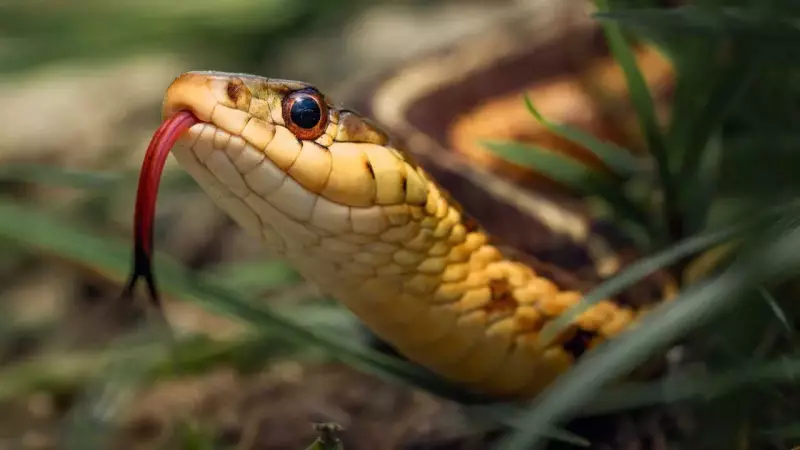
As winter descends, many assume snakes simply sleep underground until spring. However, their survival strategy is far more complex and active than mere hibernation. This state, known as brumation, is a critical adaptation for enduring the cold months. With climate change making winters increasingly unpredictable, scientists and wildlife observers are taking a closer look at these remarkable reptiles. Their findings reveal a suite of subtle, energy-efficient behaviours that highlight snakes' incredible adaptation to their environment.
The Science Behind Brumation: More Than Just Sleep
Brumation is a state of dormancy in cold-blooded animals like snakes, characterised by drastically reduced activity and metabolism. Unlike true hibernation, it is not a continuous, deep sleep. A significant study published in the journal Oecologia, which synthesised research on how winter warming affects reptiles, provides a framework for understanding these behaviours. Observations from nature and long-term monitoring have identified seven key survival tactics snakes employ during this period.
These behaviours are crucial for conservation efforts and deepen our understanding of how animals intricately depend on their environment, surviving for months on minimal energy reserves.

1. Strategic Winter Appearances on Warmer Days
Spotting a snake in winter might seem bizarre, but it's a calculated move. During brief spells of milder weather, snakes may cautiously emerge from their shelters. These outings are not for hunting but for repositioning their bodies or seeking essential moisture. The movements are slow and deliberate to conserve precious energy. This behaviour is becoming more frequent in regions experiencing volatile winter temperatures due to climate change.
2. Solitary Snakes Turning Social: Communal Denning
In a dramatic shift from their usual solitary nature, many snake species gather in shared shelters for brumation. Rock crevices, burrows, and underground spaces can host dozens, sometimes even hundreds, of snakes simultaneously. This communal denning provides collective warmth and buffers individuals against sudden cold snaps. It's a survival-driven, low-level social interaction. Once spring arrives, they disband and return to their independent lives.
3. The Art of Subtle Movement
A brumating snake is never completely still. It may make imperceptibly slow adjustments to its position to access slightly warmer or more humid spots within its shelter. These minimal movements help prevent dehydration and extreme cold without expending significant energy. This ability to fine-tune their body's environment shows that brumation is a flexible, responsive state rather than one of total shutdown.
4. Maintaining a Low-Level Alert
Even in their dormant state, snakes retain a baseline awareness of their surroundings. They can detect vibrations, temperature shifts, and physical disturbances. This low-energy vigilance allows them to react to potential threats like a predator entering their refuge. It's a vital compromise that offers protection without the high cost of being fully alert.
5. Hydration Without Eating
Snakes cease eating during brumation but cannot forego water. Many species absorb ambient moisture through their skin or take occasional small drinks if water is available. Maintaining hydration is essential for keeping their organs functioning and staving off dehydration. This delicate balance enables them to remain internally stable for months without a single meal, underscoring the importance of selecting damp hibernacula.
6. Energy-Saving Immune Management
One of the most remarkable adaptations is how snakes modulate their immune systems. Full immune function is energy-intensive. During brumation, snakes scale down certain immune responses while maintaining core defensive functions. This strategic down-regulation conserves energy while still providing a degree of protection against infections. As temperatures rise towards spring, immune activity ramps up again, preparing the snake for active life.

7. The Rhythm of Slow, Irregular Breathing
The breathing pattern of a brumating snake changes dramatically. Their respiratory rate drops significantly, with long pauses between breaths. This slow, irregular rhythm aligns with their reduced metabolic needs and is crucial for conserving oxygen. The breathing can vary even while the snake is motionless, indicating it's a tightly controlled internal process. This adaptation is key to surviving in enclosed shelters with limited air circulation.
Understanding these seven behaviours provides a window into the resilience of snakes. As climate change continues to alter winter patterns, this knowledge becomes ever more critical for predicting how these reptiles will adapt and for crafting effective conservation strategies to protect them.





