Historic Wildlife Sighting in Gurgaon's Mangar Forest
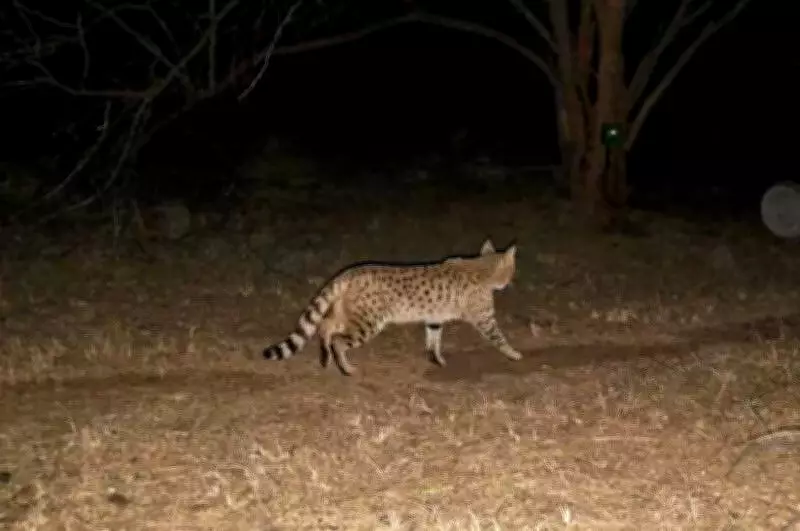
In a significant development for wildlife conservation, an Asiatic wildcat has been recorded on camera for the very first time in the Mangar forest landscape of Gurgaon. Conservationists announced this remarkable discovery on Sunday, marking a milestone in the region's biodiversity documentation.
Nocturnal Capture and Research Context
The elusive nocturnal animal was photographed by a strategically placed camera trap in the Mangar area late on January 24. This represents the first confirmed visual record of the species from this specific part of the Aravali mountain range. The sighting was reported by Sunil Harsana, a dedicated local conservationist who monitors wildlife movement in and around Mangar Bani, one of the few remaining natural forest patches near the bustling city.
This important discovery forms part of ongoing research work funded by Panthera's small cat fund for 2025, conducted in collaboration with habitat fund initiatives. Subhash Yadav, conservator of forests for south Haryana, explained the project's scope: "In the first phase, we are focusing on Mangar, where this significant sighting was recorded. Based on these initial findings, we will identify similar wildlife-rich patches across the broader Aravali region and establish monitoring programs for them."

Ecological Significance and Habitat Value
The captured images clearly show a male Asiatic wildcat moving through scrub forest terrain under the cover of darkness. Conservation experts emphasize that this record underscores the ecological importance of Mangar's fragmented habitat, demonstrating its capacity to support lesser-known species beyond the leopards and hyenas already documented in the Aravalis.
"This represents a rare and genuinely encouraging record," commented Sunil Harsana. "The Asiatic wildcat is an extremely elusive creature, and its confirmed presence indicates that despite mounting pressures from urbanization, mining activities, and increasing traffic, certain parts of Mangar still retain viable habitat capable of sustaining wildlife populations."
Growing Wildlife Documentation in Gurgaon's Aravali Belt
This latest sighting adds to an expanding list of recent wildlife records emerging from Gurgaon's Aravali belt. Notable previous discoveries include:
- In March 2024, a sambar deer was captured on camera trap in the Damdama Aravalis for the first time
- Another sambar was spotted in Mangar Bani during February of the same year
- August 2023 brought the first recorded sighting of the rusty-spotted cat in Mangar Bani, a species listed as near threatened by the International Union for Conservation of Nature
While the Asiatic wildcat species is not considered rare across the wider geographical region, experts note that it had never been documented so close to significant human habitation previously. This proximity makes the Mangar sighting particularly noteworthy from a conservation perspective.
Historical Context and Broader Wildlife Presence
A comprehensive 2016 study conducted by the Wildlife Institute of India had already documented the presence of hyena, palm civet, and sambar deer populations in the Ghamroj area. That research specifically noted that camera-trap images of sambar marked the first recorded occurrence of that species in Gurgaon's section of the Aravalis.
The rusty-spotted cat, recorded in Mangar Bani in 2023, has a distribution spanning India, Nepal, and Sri Lanka. Previous records of this species include sightings in Rewari, with earlier documentation occurring in December 2014 and April 2015 within Kalesar National Park.
Wildlife researchers observe that these accumulating records align with findings from a 2017 WII study that confirmed the presence of ten carnivorous species across the Aravalis of south Haryana. That extensive survey documented an impressive array of wildlife, including:

- 31 leopards
- 166 jackals
- 91 porcupines
- 50 mongooses
- 26 jungle cats
- 126 hyenas
- 61 civets
- 3 wolves
- 4 foxes
Conservation Implications and Future Directions
Environmental advocates stress that the Asiatic wildcat sighting powerfully reinforces the conservation value of Mangar's ecosystem and highlights the urgent need to protect remaining forest patches and wildlife corridors within Gurgaon's rapidly urbanizing Aravali belt. They emphasize three critical components for supporting ongoing wildlife survival:
- Continued and expanded camera trapping initiatives
- Strengthened habitat protection measures
- Careful regulation of development activities near sensitive ecological zones
This discovery serves as both a validation of conservation efforts and a reminder of the fragile balance between urban development and wildlife preservation in one of India's fastest-growing metropolitan regions.