

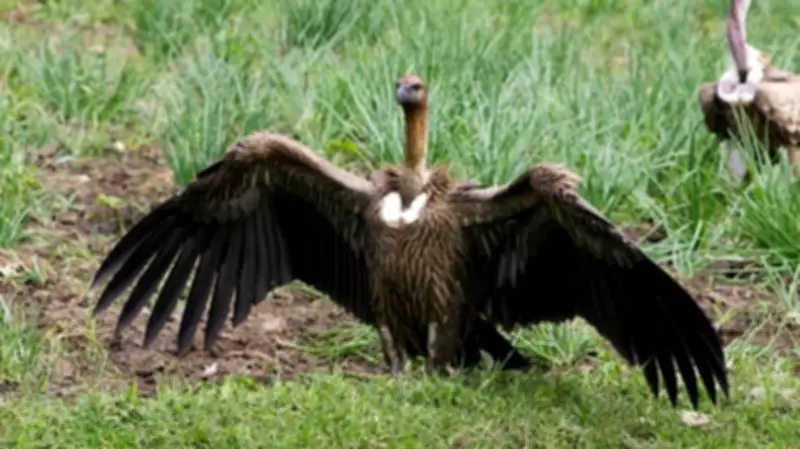
Assam Achieves Conservation Milestone with Release of Captive-Bred Vultures
In a landmark event for wildlife conservation, the state of Assam has successfully released its first batch of captive-bred white-rumped vultures into the wilderness. This initiative represents a significant step forward in efforts to revive the population of this critically endangered species, which has faced severe declines due to various environmental and human-induced factors.
Background on the White-Rumped Vulture Crisis
The white-rumped vulture, scientifically known as Gyps bengalensis, has experienced a catastrophic population collapse over the past few decades. Once abundant across South Asia, their numbers plummeted by more than 99% since the 1990s, primarily due to the widespread use of the veterinary drug diclofenac. This anti-inflammatory medication, used in livestock, proved highly toxic to vultures that fed on treated carcasses, leading to kidney failure and rapid deaths.
Conservationists have long warned that without urgent intervention, the species could face extinction. In response, captive breeding programs were established as a crucial strategy to bolster wild populations and ensure genetic diversity.

Details of the Release Program
The release involved a carefully selected group of vultures that were bred and raised in controlled environments. Prior to their introduction to the wild, these birds underwent extensive health checks and behavioral assessments to ensure they were fit for survival. The exact location of the release has been kept confidential to protect the vultures from potential threats and disturbances.
Authorities and wildlife experts have implemented monitoring protocols to track the vultures' adaptation and movements. This includes the use of satellite tags and regular field observations to gather data on their foraging habits, nesting behaviors, and overall health. The goal is to assess the success of the release and inform future conservation strategies.
Significance for Biodiversity and Ecosystem Health
Vultures play a vital role in maintaining ecological balance by acting as nature's cleanup crew. They efficiently dispose of animal carcasses, preventing the spread of diseases and reducing contamination risks. The decline of vulture populations has had cascading effects on ecosystems, including increased populations of feral dogs and a rise in zoonotic diseases like rabies.
The release of captive-bred vultures in Assam is not just about saving a single species; it is about restoring a key component of the food web. Successful reintroduction could lead to improved sanitation and public health benefits, particularly in rural areas where livestock farming is prevalent.
Challenges and Future Prospects
Despite this positive development, challenges remain. Ensuring the safety of the released vultures from diclofenac exposure is paramount. Although the drug has been banned for veterinary use in India, illegal availability and misuse still pose risks. Conservation efforts must include strict enforcement of bans and public awareness campaigns to promote vulture-safe alternatives.
Looking ahead, the success of this release could pave the way for similar initiatives across India and other regions where vulture populations are struggling. Continued collaboration between government agencies, non-governmental organizations, and local communities will be essential to sustain these efforts and achieve long-term recovery goals.
This achievement in Assam highlights the importance of proactive conservation measures and offers hope for the future of endangered species worldwide.






