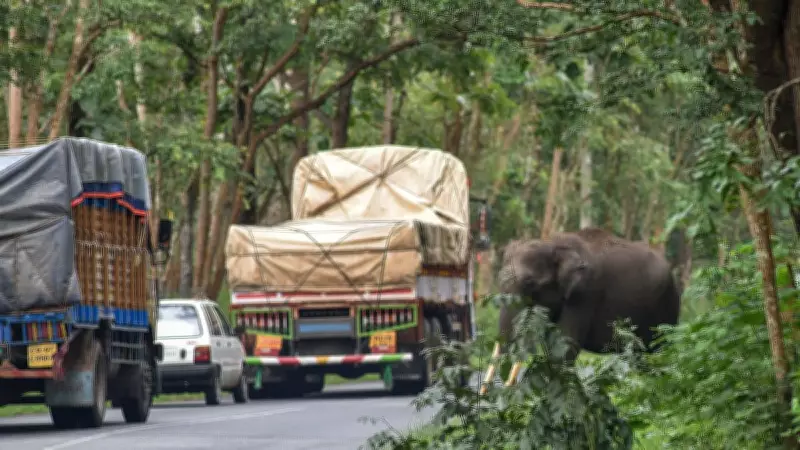
A demand to reopen Bandipur Tiger Reserve for night traffic has triggered a strong backlash from wildlife activists and conservationists. The reserve, located in Karnataka, has been closed to vehicular traffic during night hours to protect wildlife and reduce accidents. However, some local groups have been pushing for the reopening, arguing that it would boost tourism and local economy. Critics, however, point out that the move could endanger animals and visitors alike. They cite past incidents of animal-vehicle collisions and stress the need for sustainable tourism practices. The debate has intensified as the state government considers the proposal, with environmentalists calling for stricter enforcement of existing rules rather than relaxation.
Background of the Issue
Bandipur Tiger Reserve, a critical habitat for tigers and other wildlife, has implemented a night traffic ban to minimize human-animal conflicts. The ban has been largely successful in reducing roadkill and ensuring safe passage for animals. However, local business owners and tourism operators claim the restriction hurts their livelihoods, especially during peak tourist seasons.
Arguments for Reopening
- Boost to local tourism and economy
- Increased convenience for travelers
- Alignment with similar policies in other reserves
Arguments Against Reopening
- Risk of animal-vehicle collisions
- Disturbance to nocturnal wildlife
- Potential increase in poaching and illegal activities
Wildlife activists emphasize that the reserve's primary purpose is conservation, not recreation. They argue that any relaxation of night traffic rules would set a dangerous precedent and compromise decades of conservation efforts.

Government's Stance
The Karnataka government has not yet made a final decision. Officials are reportedly reviewing scientific data and public feedback before arriving at a conclusion. Environmentalists urge the government to prioritize wildlife safety over commercial interests.