

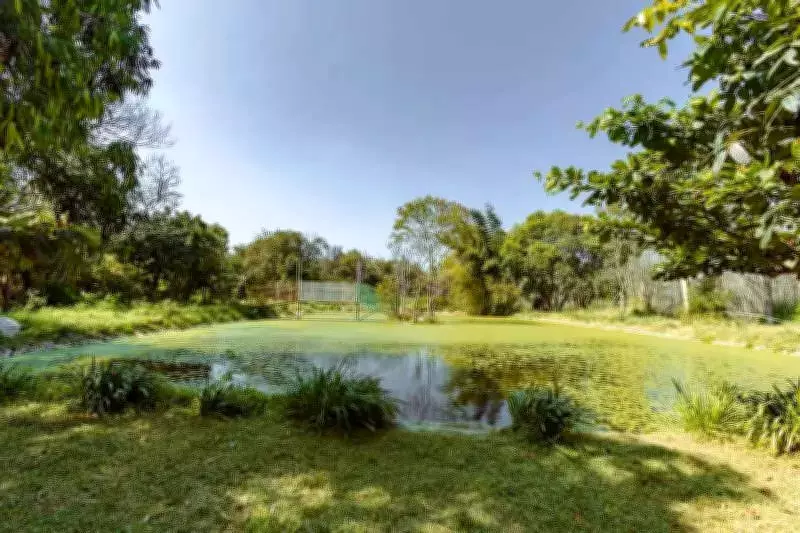
Community-Led Initiative Revives Neglected Pond into Thriving Bengaluru Lake
In a remarkable demonstration of environmental stewardship, a once-degraded pond within the CRPF campus in Yelahanka, North Bengaluru, has been completely transformed into a vibrant three-acre lake. This significant achievement highlights the powerful impact of collective action in restoring urban ecosystems that have suffered from neglect and degradation.
Scientific Approach to Ecological Restoration
The three-month revitalization project, spearheaded by the BlueDot Foundation in collaboration with Tekion and other partners, focused on genuine ecological restoration rather than superficial beautification. The initiative employed scientific and sustainable practices specifically designed to return the waterbody to its original healthy condition while establishing long-term environmental resilience.
What was previously a choked waterbody filled with sludge, silt, and invasive algae has now been revived into a living ecosystem capable of supporting diverse biodiversity. The comprehensive restoration process involved extensive desilting operations that recovered the lake's natural depth and significantly improved its water-holding capacity.

Building a Self-Sustaining Ecosystem
Critical improvements to the catchment area have ensured more effective rainwater harvesting, while carefully selected native plant species have been introduced to rebuild essential habitats for birds, insects, and other fauna. This strategic approach has created a self-sustaining ecosystem that requires minimal human intervention to maintain its ecological balance.
"This effort demonstrates conclusively how degraded water bodies can be brought back to life with the right ecological approach and meaningful community participation," emphasized Harsha Tej, founder and director of BlueDot. "The deliberate use of native flora is absolutely crucial for maintaining long-term ecological balance and ensuring the sustainability of these restoration efforts."
Corporate and Community Collaboration
The initiative successfully brought together numerous volunteers and stakeholders through organized plantation drives, reinforcing the essential role of community engagement in environmental conservation. Tekion, which supported the project as part of its corporate social responsibility efforts, has reiterated its commitment to restoring one lake every year, contributing to a growing network of revived water bodies across Karnataka and Tamil Nadu.
CRPF officials have noted that such collaborative efforts are particularly vital in rapidly urbanizing regions where lakes and wetlands face increasing threats from development and pollution. "With the monsoon season approaching, the rejuvenated lake now stands ready to harvest rainwater effectively, recharge groundwater supplies, and serve as a valuable green refuge within the CRPF premises," explained a CRPF officer. "This project clearly demonstrates how community-led sustainability initiatives can successfully turn ecological decline into meaningful renewal."
Broader Implications for Urban Sustainability
The successful transformation of the CRPF campus pond serves as an inspiring model for similar restoration projects throughout urban India. It proves that even severely degraded urban water bodies can be revived through scientifically informed approaches combined with dedicated community participation.
As Bengaluru continues to grapple with water management challenges and diminishing green spaces, this initiative offers a practical blueprint for how corporations, community organizations, and government agencies can collaborate to create sustainable urban ecosystems that benefit both people and wildlife.






