

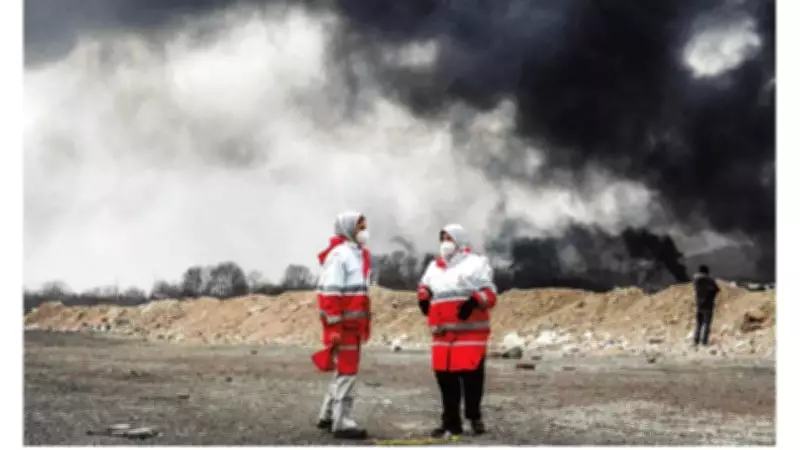
Black Rain Descends on Tehran Following Israeli Airstrikes on Oil Depots
This week, the skies over Tehran turned ominously dark as thick, billowing smoke from oil depots bombed by US-Israeli jets blocked out the sun. Residents reported experiencing "black rain," a phenomenon where precipitation carries high levels of atmospheric pollutants, likely originating from the burning of heavy fuel, a low-quality byproduct of oil refining. This dark rain is suspected to contain hazardous, cancer-causing chemicals such as benzene, acetone, and methylene chloride, posing immediate health risks to the population.
Health Impacts and Resident Accounts
People in Tehran are already feeling the severe effects of this environmental crisis. Time magazine quoted a local resident who described painful symptoms: "The skin on my face is sore and raw. It burns." Unlike the complete combustion in car engines, the burning at the oil depots was less efficient, releasing unburnt particles into the air. These particles can trigger a range of serious health conditions, including cardiovascular disease, lung cancer, and even diabetes, exacerbating public health concerns in the affected areas.
Environmental Hazards and Acid Rain
Beyond the immediate health threats, the situation has led to the formation of acid rain. The oil in the depots contains sulphur and nitrogen, which, when burnt, form oxides that react with moisture to create acidic precipitation. This acid rain can irritate the eyes and throat and, if it seeps into waterways, alter the chemistry of aquatic environments, harming marine life. The environmental fallout echoes past disasters, raising alarms about long-term ecological damage.

Historical Parallels: The 1990s Gulf War Oil Fires
Experts warn that this fresh outbreak of war risks repeating the catastrophic environmental disaster of the early 1990s. During the first Gulf War, Saddam Hussein's forces set fire to 700 Kuwaiti oil wells, an event often described as the worst environmental disaster after Chernobyl and Bhopal. The fires burned for ten months before being extinguished, primarily with seawater, and their effects were felt globally:
- In the Himalayas, two inches of 'black snow' fell.
- In India, there were concerns that the smoke could disrupt the monsoon.
- Bahrain experienced a temperature drop of 10°C.
- Soviet devices detected soot in the air, and countries like Turkey, Bulgaria, and Pakistan reported 'black rain.'
Kuwait was hardest hit, with experts estimating that environmental recovery would take at least 100 years. Nearly 90% of the soil contaminated by oozing oil remains exposed to the environment today. Firefighters who battled the wells suffered long-term health issues; one woman firefighter told The Guardian in 2021, 30 years after the event, that her doctor said it was as if she had smoked three packs of cigarettes daily for three years.
Current Response and Warnings
In response to the current crisis, Iranians in the affected zones have been advised to stay indoors to minimize exposure to the hazardous conditions. The situation underscores the broader geopolitical tensions, with Iran labeling the Israeli bombing as 'ecocide' and former US President Donald Trump warning NATO about the war's fallout, including calls for seven countries to send warships to police the Strait of Hormuz. Additionally, a major fire broke out at Dubai International Airport after a drone strike, leading to flight suspensions, highlighting the regional instability.
As the conflict escalates, the environmental and health repercussions serve as a stark reminder of the devastating impacts of war, with the potential for lasting damage akin to historical precedents. The international community watches closely, concerned about a repeat of past disasters that could affect millions across the Middle East and beyond.






