BNHS and Maharashtra Fisheries Department Collaborate to Revive Native Fish Populations
The Bombay Natural History Society (BNHS) has entered into a strategic partnership with the Maharashtra Fisheries Department to launch a comprehensive initiative aimed at reviving native fish populations and restoring the health of freshwater ecosystems across the state. This collaborative effort marks a significant step towards addressing ecological degradation and promoting biodiversity conservation in Maharashtra's aquatic habitats.
Release of Indian Major Carps to Boost Ecosystem Health
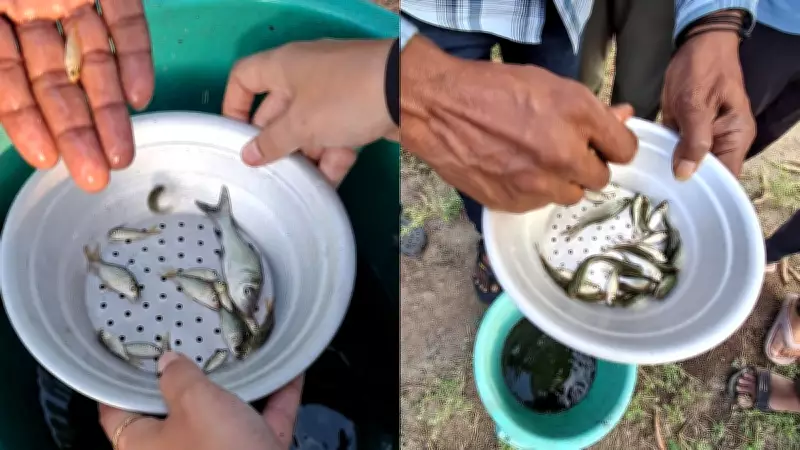
As part of this ambitious project, the authorities have released key native fish species into selected water bodies. The species introduced include Rohu, Mrigal, and Catla, which are collectively known as Indian Major Carps. These fish play a crucial and multifaceted role in maintaining the balance and functionality of freshwater ecosystems.
Indian Major Carps are essential for several ecological functions:

- They help control algal blooms by feeding on plankton, thus improving water clarity and quality.
- Their feeding habits contribute to nutrient cycling, which supports the overall health of aquatic plants and other organisms.
- They serve as a vital food source for larger predators, maintaining the food web dynamics in freshwater environments.
Addressing Ecological Challenges Through Native Species Restoration
The decline of native fish populations in Maharashtra has been a growing concern due to factors such as habitat destruction, pollution, overfishing, and the introduction of invasive species. This has led to imbalances in freshwater ecosystems, affecting water quality, biodiversity, and the livelihoods of local communities dependent on fisheries.
By focusing on the reintroduction of Indian Major Carps, the BNHS and Maharashtra Fisheries Department aim to:
- Enhance the genetic diversity and resilience of native fish stocks.
- Improve the ecological stability of rivers, lakes, and reservoirs.
- Support sustainable fishing practices that benefit both the environment and local economies.
This initiative is part of a broader strategy to implement science-based conservation measures that align with global efforts to protect aquatic biodiversity. The collaboration leverages BNHS's expertise in natural history research and the Fisheries Department's regulatory and on-ground implementation capabilities.
Long-Term Implications for Water Ecosystem Management
The revival of native fish populations is expected to have far-reaching positive effects on Maharashtra's water ecosystems. Healthier fish communities can lead to improved water purification, increased biodiversity, and enhanced ecosystem services that benefit human populations. Moreover, this project sets a precedent for similar conservation efforts in other regions of India, highlighting the importance of preserving native species for ecological sustainability.
As the project progresses, monitoring and evaluation will be key to assessing its impact on fish populations and ecosystem health. The BNHS and Maharashtra Fisheries Department plan to engage with local communities, researchers, and policymakers to ensure the long-term success of this native fish revival endeavor.