The Union government has informed the Supreme Court that it opposes the construction of 21 hydropower plants in the Alakananda-Bhagirathi river basin, citing the risk of flash floods. This decision was communicated on May 19, highlighting a shift in policy towards environmental conservation in the ecologically sensitive region.
Government's Stance on Hydropower Projects
The government stated that it favours only seven hydroelectric projects in the basin. Among these, four have already been commissioned and are operational, while three are currently under construction with substantial physical and financial progress. The remaining proposed projects have been deemed unsuitable due to their potential to exacerbate flood risks and environmental damage.
Reasons for Opposition
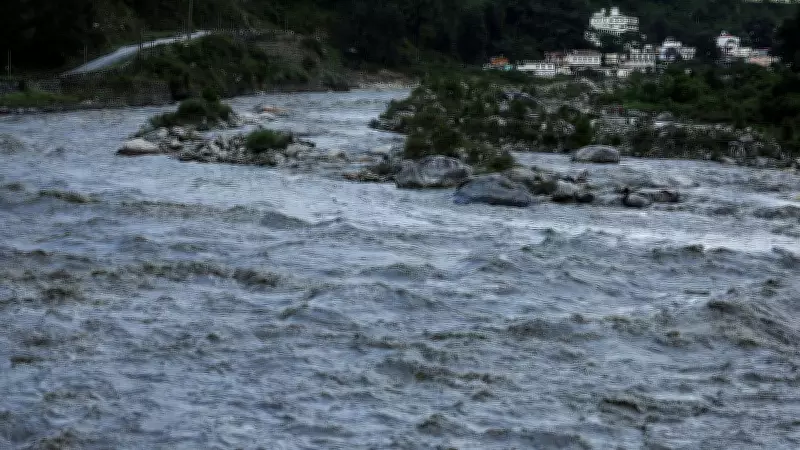
The opposition stems from recent flash floods that have caused significant devastation in the region. The government emphasized the need to prioritize safety and ecological balance over energy generation. The Alakananda and Bhagirathi rivers, which are tributaries of the Ganga, are prone to sudden flooding, and large-scale hydropower development could worsen the situation.

Impact on Energy Sector
This decision is expected to affect India's hydropower capacity expansion plans. However, the government assured that the three ongoing projects will be completed to avoid financial losses. The move aligns with growing environmental concerns and the need for sustainable development in the Himalayan region.
Legal and Environmental Context
The Supreme Court had sought the government's response on a petition challenging the environmental clearance of several hydropower projects. The government's reply underscores a cautious approach, balancing energy needs with disaster risk reduction. Environmental activists have welcomed the decision, calling for a comprehensive review of all projects in the region.