

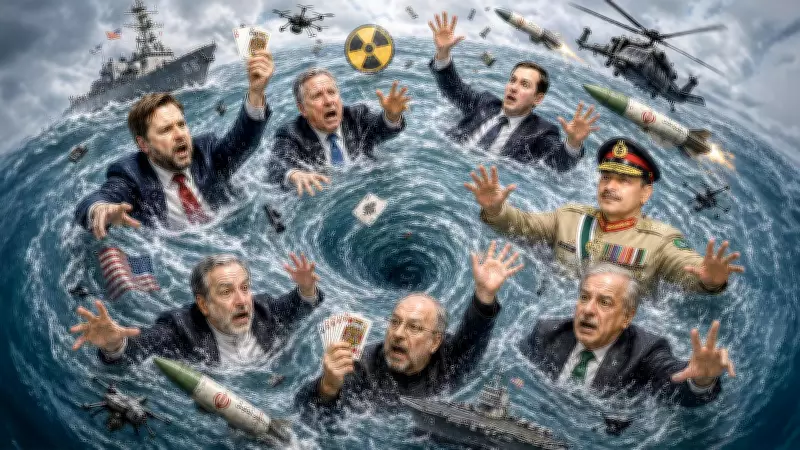
The Perilous Journey of Modern Peacemakers
In an era marked by escalating global conflicts and geopolitical rivalries, peacemakers find themselves navigating increasingly treacherous waters. These dedicated individuals and organizations, tasked with mediating disputes and fostering reconciliation, confront a daunting array of challenges that threaten to undermine their vital missions. From the Middle East to Africa and beyond, the landscape of international diplomacy has grown more complex, demanding innovative strategies and unwavering resilience.
Geopolitical Tensions and Shifting Alliances
The rise of multipolar world dynamics has significantly complicated peacemaking efforts. Traditional power structures are being reshaped by emerging nations and non-state actors, creating a fragmented environment where consensus is elusive. Peacemakers must now operate within a web of competing interests, where bilateral agreements often clash with multilateral initiatives. This geopolitical maze requires diplomats to possess not only negotiation skills but also a deep understanding of regional histories and cultural nuances.
Resource scarcity and environmental pressures further exacerbate conflicts, particularly in regions grappling with climate change impacts. Droughts, food insecurity, and water disputes have become potent drivers of violence, forcing peacemakers to address root causes beyond political grievances. The integration of environmental diplomacy into conflict resolution frameworks has become imperative, yet it remains underfunded and overlooked in many international forums.

The Humanitarian Dimension: Aid and Access Barriers
Humanitarian organizations, often on the front lines of peacebuilding, face unprecedented obstacles in delivering aid. Blockades, bureaucratic red tape, and targeted attacks on relief workers have become commonplace in conflict zones, jeopardizing millions of vulnerable civilians. The politicization of aid—where assistance is used as leverage in negotiations—undermines neutral humanitarian principles and erodes trust among warring parties.
- Increasing incidents of violence against aid workers and peacekeepers
- Funding shortfalls for long-term reconstruction projects
- Difficulty in coordinating between multiple international agencies
- Rising misinformation campaigns that discredit peace initiatives
Technological Disruptions and Cyber Threats
The digital age has introduced both opportunities and perils for peacemakers. Social media platforms can amplify peace messages and mobilize support, but they also spread propaganda and hate speech that fuel conflicts. Cybersecurity threats targeting diplomatic communications and critical infrastructure pose new risks to mediation processes. Peacemakers must now be adept at navigating online spaces while safeguarding sensitive negotiations from interference.
- Developing digital literacy programs for conflict-affected communities
- Implementing secure communication protocols for sensitive talks
- Countering online radicalization and disinformation networks
- Leveraging data analytics to predict and prevent escalations
Despite these hurdles, peacemakers continue to demonstrate remarkable courage and creativity. Grassroots movements, women-led peace councils, and youth engagement initiatives are proving effective in bridging divides. International bodies are gradually adopting more inclusive approaches that prioritize local voices over top-down solutions. The path forward requires sustained investment in diplomacy, stronger legal protections for humanitarian workers, and a renewed commitment to multilateral cooperation. As global tensions simmer, the work of peacemakers remains not just relevant but essential for a stable and prosperous world.






