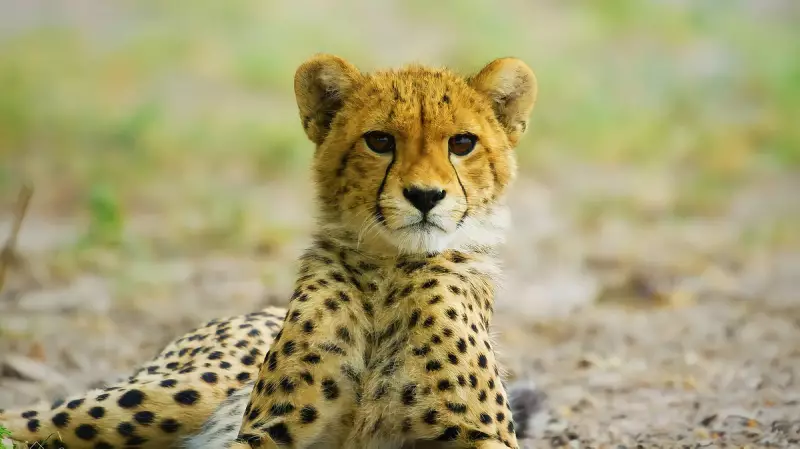
A significant setback has hit India's ambitious cheetah reintroduction program with the death of a cub in the wild. The young cheetah, born to a Namibian-born female named Jwala, passed away at Kuno National Park in Madhya Pradesh. This incident marks the third cheetah fatality at the park in the current year.
Details of the Tragic Incident
The cub was part of a litter born to Jwala in January of this year. It was released into the open forest area of the park on March 11, 2024, along with its sibling. This move was a critical step in the rewilding process for the animals born in the protected enclosure. However, the cub was found in a state of severe weakness just a few days later, on March 15.
Park officials immediately intervened and provided urgent medical care. Despite their efforts, the cub succumbed to its condition. A post-mortem examination was conducted by a team of veterinary experts to determine the exact cause of death. The preliminary findings pointed to severe dehydration and extreme weakness as the primary reasons for the cub's demise.

Context and Recent History of the Project
This death is a blow to Project Cheetah, India's high-profile initiative to reintroduce the big cat species, which was declared extinct in the country in 1952. The project began with much fanfare in September 2022 when eight cheetahs were translocated from Namibia to Kuno. In February 2023, another twelve cheetahs arrived from South Africa.
The journey has been fraught with challenges. Before this cub's death, the park witnessed the loss of two adult cheetahs earlier in 2024. A female cheetah named Daksha died in May following a violent mating encounter. Just a day later, a male cheetah named Shaurya was found dead, with authorities suspecting a fatal fight between the two animals as the cause. These incidents have raised serious questions about the management and monitoring of the project.
Implications and the Path Forward
The death of the cub, born on Indian soil, is particularly disheartening for conservationists. It underscores the inherent risks and difficulties in rewilding animals, especially for a species adapting to a completely new environment. The survival of cubs in the wild is a key metric for the long-term success of any reintroduction program.
Officials from the Madhya Pradesh Forest Department and the National Tiger Conservation Authority (NTCA), which oversees Project Cheetah, are now tasked with analyzing this event. The focus will likely intensify on the health monitoring protocols for released animals and the conditions they face in the Kuno landscape. The project's ultimate goal remains to establish a viable, free-ranging cheetah population in India, but this recent tragedy highlights the fragile and complex nature of the endeavor.
As of now, the park authorities continue to monitor the remaining cheetahs, including Jwala and her surviving cub, hoping for better outcomes in the future of this historic conservation project.