

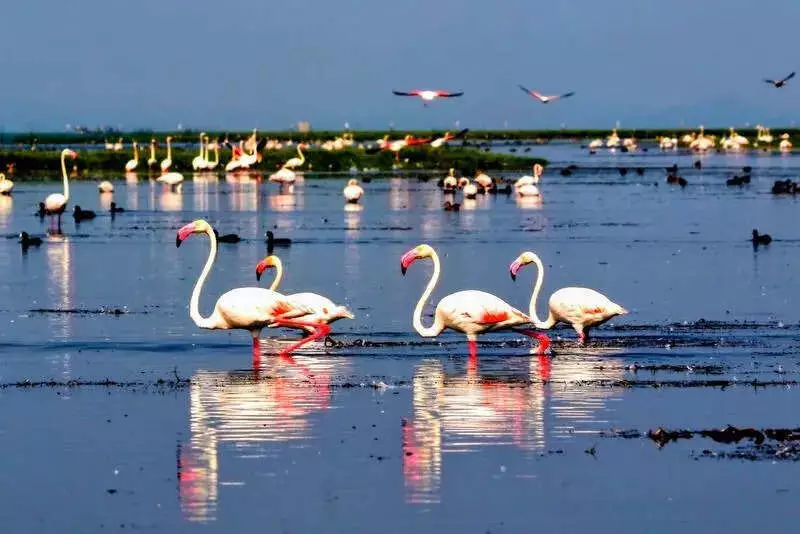
New data presented in the Odisha Assembly has revealed a concerning trend for the iconic Chilika lagoon, a designated Ramsar wetland site. The lake's depth is steadily decreasing each year due to massive siltation, prompting large-scale extraction efforts by authorities.
Alarming Siltation and Government Action
In a detailed reply to the state assembly, Forest Minister Ganesh Ram Singkhuntia disclosed that a staggering 3,26,716 cubic metres of muddy sludge has been removed from Chilika lake over the past five years. This extensive operation highlights the severity of the siltation problem facing Asia's biggest saltwater lake.
The minister was responding to a query raised by Jharsuguda MLA Tankadhar Tripathy regarding the health of the crucial ecosystem. The government acknowledged that the lake is progressively filling with muddy soil, with an estimated 8,00,000 metric tonnes of sediment entering its waters annually. This continuous inflow blankets the lake's mud plate with fresh layers of soil, directly impacting its depth and health.

Current Depths and Conservation Measures
According to the official figures, Chilika's depth now varies significantly across its expanse. The minimum depth is recorded at just 0.38 metres, while the maximum depth reaches 6.2 metres. To combat the degradation and plan a sustainable future, the state has decided to engage expert institutions.
The minister confirmed that a detailed project report for the comprehensive restoration of Chilika lake will be prepared by the prestigious IIT Madras. This scientific intervention is aimed at formulating a long-term strategy to preserve the lagoon.
Regular monitoring is already underway by the Chilika Development Authority (CDA). The authority tests water quality using 17 dedicated monitoring stations spread across the lake. In a positive note from the CDA records, the production of key aquatic species—fish, prawn, and crab—has remained stable despite the ecological challenges.
Bird Population: A Mixed Picture
In a separate assembly reply focused on avian life, the forest minister provided insights into the bird population trends at Chilika. The data shows a complex scenario for the lagoon, which is a vital hub for migratory species.
While the number of bird species sighted increased to 196 in 2025, up from 187 the previous year, the overall count of individual birds saw a decline. This year witnessed a decrease of approximately 10,000 birds compared to last year. Officials noted, however, that there has been a gradual rise in the number of bird species since 2023.
Chilika's ecological significance is underscored by its role as a major wintering site for various birds along India's eastern coast. It provides a critical habitat for:
- Ducks
- Shorebirds
- Gulls and Terns
Furthermore, the lagoon serves as an indispensable stopover and refuelling site for long-distance migratory shorebirds. These birds travel from southern India to their breeding grounds as far north as the Russian Arctic, China, and Mongolia.
The combination of siltation data and wildlife trends paints a picture of an ecosystem under pressure, necessitating urgent and scientifically-backed conservation measures to secure the future of this invaluable wetland.






