

Protected Chinkara Deer Found Dead in Restricted Army Firing Range Area
A disturbing wildlife incident has emerged from Rajasthan's Jaisalmer district, where the remains of six chinkara deer were discovered inside the Army's Pokhran Field Firing Range near Loharki village. The chinkara, also known as the Indian gazelle, is listed under Schedule I of the Wildlife Protection Act, granting it the highest level of legal protection in India.
Discovery and Initial Response
The grim discovery came to light on Monday when local goat herders first noticed the scene and alerted wildlife enthusiast Dharmendra Puniya. Puniya, along with fellow conservationists Pancharam Dara, Vikas Vishnoi, Bablu Vishnoi, and Lakshman Godara, immediately visited the area approximately eight kilometers from Loharki village.
The conservationists reported finding remains scattered across multiple locations, with some carcasses reportedly hanging from trees and visible blood stains at several spots. The proximity to the Army's field firing range raised immediate concerns about potential illegal hunting activities within the restricted zone.

Official Investigation Launched
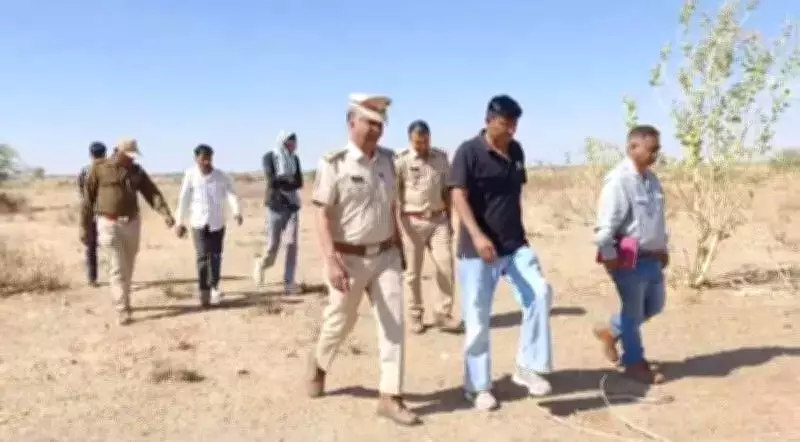
A joint team comprising forest department officials and police personnel swiftly responded to the alert. The team included Pokhran Forest Department ACS Chandrashekhar Kaushik, Chhayan Range Regional Forest Officer Lakshman Swami, and Assistant Sub-Inspector Daidansingh Rajpurohit from Ramdevra police station.
The officials collected all remains from various locations, including those found on the ground and those reportedly suspended from trees. The evidence has been sent for detailed post-mortem examination to determine the exact cause of death and whether poaching was involved.
Forest Department Confirms Incident
Jaisalmer Forest Department DFO Kumar Subham confirmed receiving information about approximately five chinkara remains near Loharki village within the Army's restricted firing range area. The department obtained special permission from the Army to access the secured zone and initiated a comprehensive investigation at the site.
Subham noted that the remains appeared to be several days old, and the post-mortem report would be crucial in establishing whether the animals were illegally hunted or died from other causes. The restricted nature of the area where the incident occurred adds complexity to the investigation.
Conservationists Express Grave Concerns
Wildlife enthusiasts and conservation organizations have voiced serious alarm about the incident. Vishnoi Tiger Force state president Rampal Bhawad and Akhil Bhartiya Jeev Raksha Bishnoi Sabha national spokesperson Shivraj Bishnoi have engaged with senior forest department officials, demanding a thorough probe and stringent action against those responsible.
Shivraj Bishnoi emphasized the particular seriousness of the case, stating, "The field firing range is completely off-limits to the general public, making the killing of multiple chinkara at one time an extremely grave matter." He urged both the Army and other relevant agencies to treat the investigation with utmost urgency.
Pattern of Previous Incidents
Dharmendra Puniya, who first received the alert about the discovery, alleged that this is not an isolated incident. He claimed that deer poaching has occurred multiple times in the past within the field firing range and surrounding areas, with insufficient preventive measures taken to deter such activities.
This pattern, according to Puniya, has emboldened poachers while frustrating wildlife conservationists who have repeatedly raised concerns about protection of vulnerable species in the region.
Calls for Enhanced Protection Measures
Conservationists are calling for concrete steps to prevent future incidents, including:

- Enhanced surveillance and monitoring within restricted areas
- Stronger coordination between forest department and defense authorities
- Swift identification and prosecution of those involved in wildlife crimes
- Regular patrolling and anti-poaching measures in vulnerable zones
The investigation continues as authorities await the post-mortem results that will provide crucial evidence about the circumstances surrounding the deaths of these protected animals.





