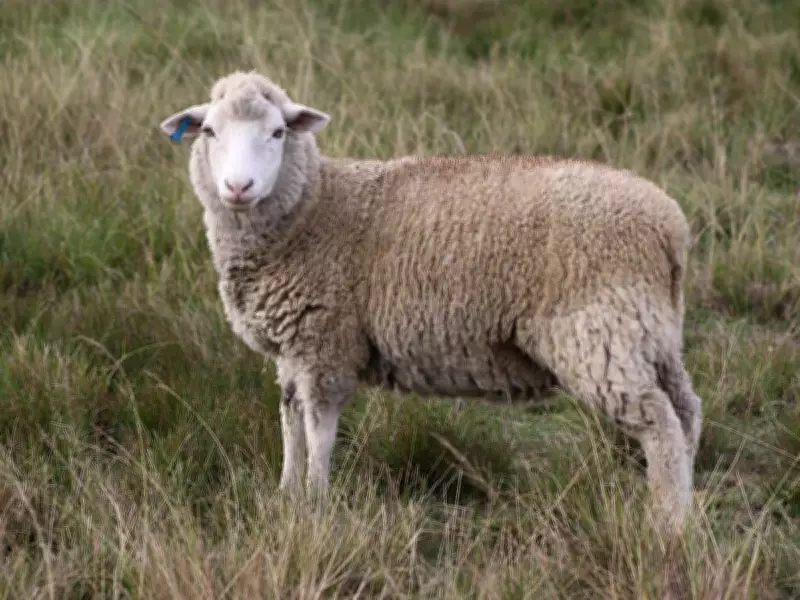
In the steep grasslands of South Africa's Drakensberg mountains, sheep farming has long been more than a way of life. It provides food for families, a source of income, social standing, and identity for many households. However, with a changing climate altering weather patterns throughout southern Africa, farmers whose livelihoods rely on this delicate mountain ecosystem are struggling to maintain their flocks.
Rising temperatures, extended droughts, and unreliable weather conditions are already transforming farming practices and impacting rural lives in three communal villages in the Eastern Cape Province, according to the results of a recent study discussed by The Conversation. Sheep farmers in the Drakensberg region are facing multiple climate-related threats simultaneously, from shrinking grazing lands to disease outbreaks and rising lamb mortality.
Climate Change Reshapes Life in the Mountains
The Drakensberg grasslands are among the most important grazing regions in South Africa. Sheep farming in communal villages is often conducted on small-scale systems of between 10 and 50 sheep, where animals sleep in basic enclosures near homes and graze on community rangelands during the day. Such farming systems historically rely on a seasonal cycle of rain and grassland coupled with local traditional knowledge. Researchers found that changing climate conditions were imposing unusual pressures on this way of life.

Eighty-nine sheep farmers from the villages of Mabua, Tothaneng, and Madlangala were interviewed and indicated that drought and heatwaves were among the biggest threats to livestock. Scientists have long warned that Southern Africa is one of the world's most climate-vulnerable regions. In its latest report, the United Nations Intergovernmental Panel on Climate Change (IPCC) noted that higher temperatures and increasing drought events were impacting agricultural productivity in the region.
Less Grass, Weaker Animals
The immediate impacts of climate change for many sheep farmers include declining grasslands. Researchers discovered that the availability of natural pastures is decreasing in response to prolonged dry spells and irregular rain events. Grazing resources have plummeted, causing sheep to lose weight and immunity to diseases, along with lower rates of reproduction. One farmer interviewed during the study described how drought conditions have been devastating for their flocks, wiping them out before seasonal rains can replenish the pasture.
However, it is not only about food shortages. Livestock can also be vulnerable to harsh winters, extreme cold, and frost. Because animals are kept in open enclosures with few structures, lambs in particular are susceptible to death when storm events occur. The research found that changing weather patterns were frequently linked by the interviewed farmers to increased parasites, foot rot, and other livestock diseases.
Farmers Are Not Waiting for Solutions
Despite the ongoing pressures, the study highlighted that many farmers were actively adapting rather than just coping with changing environmental conditions. Rotational grazing is one such adaptation. Farmers move their sheep from one area of pastureland to another to prevent overgrazing and give the grass time to grow back. Some communities are also practicing "veld resting," whereby parts of pastures are left unfarmed to recuperate from overuse or drought.
Farmers are also supplementing their livestock's diets with dried stalks and waste from harvested crops to fill the gaps during dry periods. Choosing the right breed is also crucial for coping with the new environmental realities. Farmers are opting for indigenous and cross-breed sheep for greater resilience against disease and climate impacts. Locally adapted livestock often have traits making them better equipped to cope with extreme heat and adverse climate conditions than highly commercial, specialized breeds.
Traditional Knowledge Remains Valuable
One of the most illuminating aspects of the research was the continued vital role of local weather forecasting systems. Many farmers rely on animal behavior, bird and cloud movements, and shifts in wind patterns to forecast impending weather shifts. This practice aids in preparing communities for changing climate conditions, especially in regions where official weather reports may be inaccessible.

The importance of social networks in adaptation was also highlighted during the study, with more organized communities better equipped to deal with climatic shocks. For instance, farmer groups were found working collaboratively to devise shared grazing plans, exchange information, and coordinate response efforts during droughts in Madlangala.
More Support Is Urgently Needed
Although community-based adaptation is proving helpful in lessening the impacts, the study found that individual farmers cannot carry the burden of climate change alone. Strengthened government support, according to the study's authors, will be vital for the sustainability of smallholder livestock systems in a warming climate. Improved early warning systems, increased provision of veterinary services, guaranteed water infrastructure, and shelters to protect animals from the elements were highlighted as high-priority actions.
Farmer organizations must be supported, the authors wrote, along with broader community-based climate adaptation projects to improve the climate resilience of vulnerable populations. As climate impacts worsen across the south of the continent, the experiences of Drakensberg sheep farmers will provide valuable insight for millions of farmers around the world who must also navigate an uncertain future. Climate change is no longer a hypothetical future threat for millions but a harsh reality they are already facing each day.