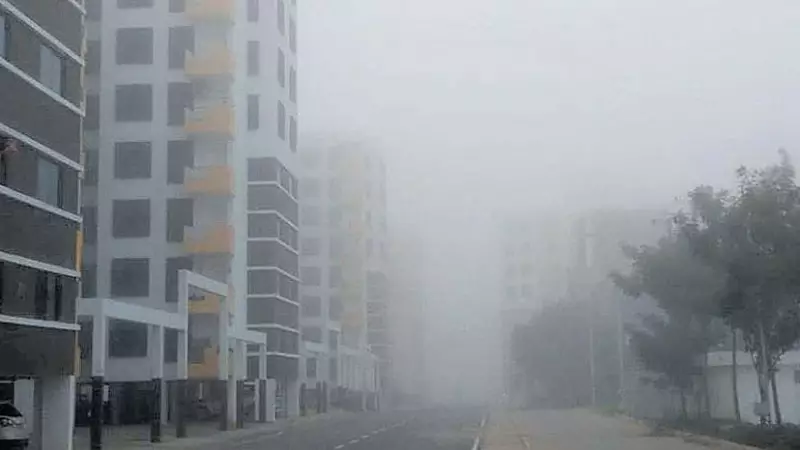
The India Meteorological Department (IMD) has issued a weather alert indicating that certain districts within north interior Karnataka are likely to experience a cold wave in the coming days. This forecast, released on 10 January 2026, advises residents to prepare for a significant dip in temperatures.
Weather Systems at Play
While the cold wave conditions are expected to grip parts of the state's interior north, a separate weather system is developing over the Bay of Bengal. The IMD reported that a depression had formed over the southwest Bay of Bengal. As of the morning of 10 January 2026, this system was situated off the northeast coast of Sri Lanka.
Meteorologists state that the depression is currently tracking in a west-northwesterly direction. However, in a relief for the state, the weather office has clarified that this cyclonic circulation is unlikely to have any direct impact on the rainfall pattern across Karnataka. This means the state should not expect widespread showers or disruptions from this particular system.

Focus on North Interior Karnataka
The primary weather concern for Karnataka remains the impending cold wave. Such conditions are typically declared when the minimum temperature drops significantly below the normal range for the region, often affecting agriculture, daily life, and health.
The IMD's warning specifically targets the north interior regions of the state. Districts in this zone should brace for chilly nights and cold daytime conditions. Authorities often advise vulnerable populations, including the elderly and children, to take necessary precautions during such cold spells.
What This Means for Residents
The dual forecast presents a clear picture: Karnataka faces localized cold weather while being spared from potential rain disturbances from the bay. Citizens in the alerted regions are urged to monitor official updates from the IMD for district-specific warnings and temperature thresholds.
The development highlights the varied weather phenomena affecting the Indian subcontinent simultaneously. While the eastern coast monitors the movement of the depression, the focus in Karnataka shifts to managing the effects of the dropping mercury in its northern interior districts.