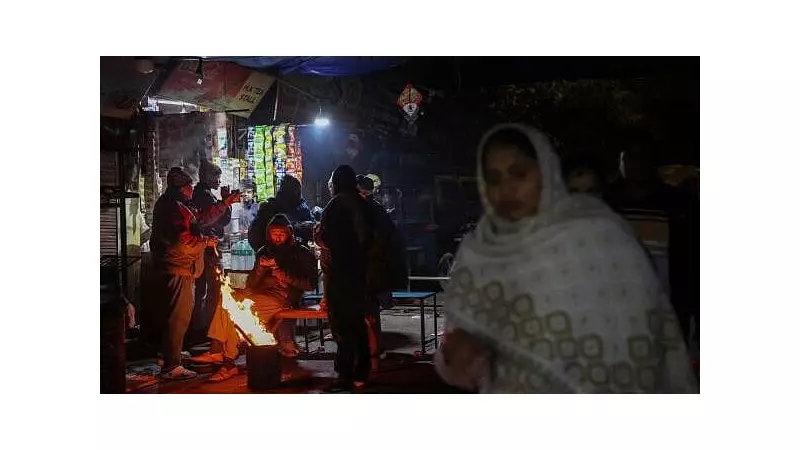
A persistent and intense cold wave has tightened its grip over northern parts of India, bringing a significant drop in temperatures. The India Meteorological Department (IMD) has issued forecasts predicting continued harsh conditions, including fresh spells of snowfall in the Himalayan states.
IMD Forecast: Snowfall and Prolonged Chill
The weather authority has specifically forecasted snowfall in isolated places across Jammu & Kashmir, Himachal Pradesh, and Uttarakhand. This weather activity is expected to contribute to the ongoing cold wave conditions in the plains of north India. The IMD has indicated that the cold wave is likely to affect isolated places in the national capital region until January 6, 2026.
On Saturday, January 4, 2026, meteorological data recorded at 5:30 PM showed the relative humidity level at 73 per cent, highlighting the moist, chilly air prevalent in the region. This combination of low temperature and high humidity often leads to a higher perceived cold, making conditions feel even more severe for residents.

Impact Across Northern States
The widespread cold wave is disrupting daily life. While the hill states brace for fresh snowfall, which can impact travel and connectivity, the plains are experiencing shivering temperatures. The forecast suggests minimal relief in the immediate term, with the cold spell holding firm for the next few days.
Authorities are advising citizens, especially vulnerable populations like the elderly and homeless, to take necessary precautions against the biting cold. The drop in temperature also has implications for agriculture and can lead to increased demand for power and heating resources.
Staying Prepared for Winter's Peak
As we progress into the first week of January 2026, typically the peak winter period for North India, monitoring IMD updates remains crucial. The predicted snowfall is a key weather event that will influence conditions downstream. Residents in the affected states are urged to stay informed about local weather advisories, plan travel carefully in hilly areas, and ensure adequate warmth and safety measures are in place to combat the severe cold wave conditions.