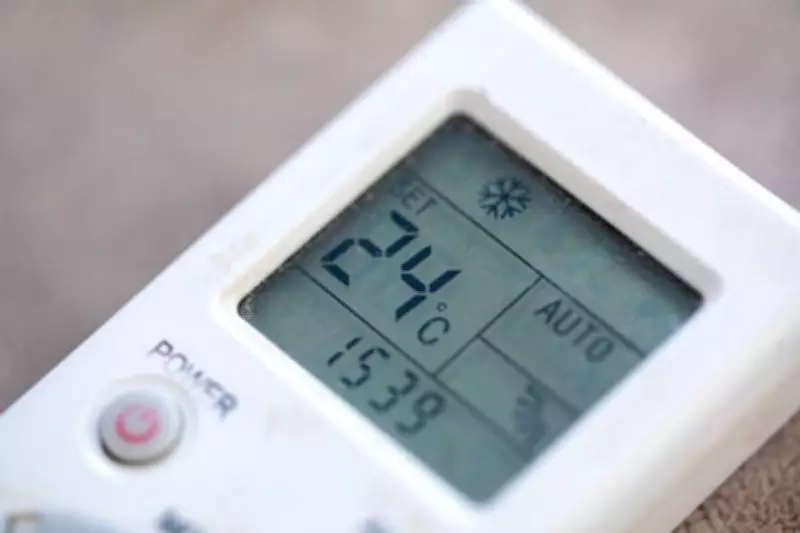
Research from the English Housing Survey reveals that air conditioning (AC) access in England remains low at just 4.3% of households, but adoption is highly uneven across income groups, regions, and housing types, raising concerns about a widening cooling divide. The study, conducted by academics including a researcher from the University of Reading, analyzed data from approximately 16,000 households and conducted in-depth interviews with AC users.
Regional disparities in AC adoption
London and the east of England have the highest levels of residential AC, followed by the East Midlands and the south-east. Northern regions show much lower adoption. These patterns reflect warmer summers and the urban heat island effect in London, where buildings and hard surfaces trap heat after sunset. The regional divide indicates that adaptation to a warming climate will be unevenly distributed.
Income inequality and AC access
Households in the highest income group are more than twice as likely to own AC as those on the lowest incomes. Installation and running costs make AC far more accessible to wealthier households, which are also concentrated in London and the south-east. This economic inequality exacerbates the cooling divide.

Vulnerable groups at risk
Older people, lone-parent households, and lower-income families are among those least likely to use AC, despite facing greater health risks during extreme heat. Social and private renters also lag behind owner-occupiers due to upfront costs, landlord permissions, and practical constraints. However, some vulnerable groups—households with babies, young children, disabled people, or those with long-term health conditions—are adopting AC at higher rates, suggesting proactive health protection.
Summer fuel poverty emerges
The study warns of a new form of summer fuel poverty, as AC use increases electricity demand, forcing vulnerable families to choose between cooling and affordable energy bills. Traditionally, UK fuel poverty focused on winter heating, but the research indicates a shift.
Hybrid working drives home AC demand
Households where someone works from home at least two days per week are 42% more likely to have AC. Before the pandemic, many spent the hottest part of the day in air-conditioned offices. Hybrid working has shifted that exposure into homes, which must now function as workplaces during extreme heat.
Need for a national cooling plan
The study calls for a UK national cooling plan that prioritizes natural solutions like external shading, shutters, and urban tree planting. Where AC is essential for vulnerable households, targeted support should be provided. As one researcher stated, 'At this early stage, a cooling divide is already taking shape. The question is whether we act now to ensure protection from dangerous heat is available to everyone—especially those most vulnerable—or wait until a cool home becomes a privilege.'