

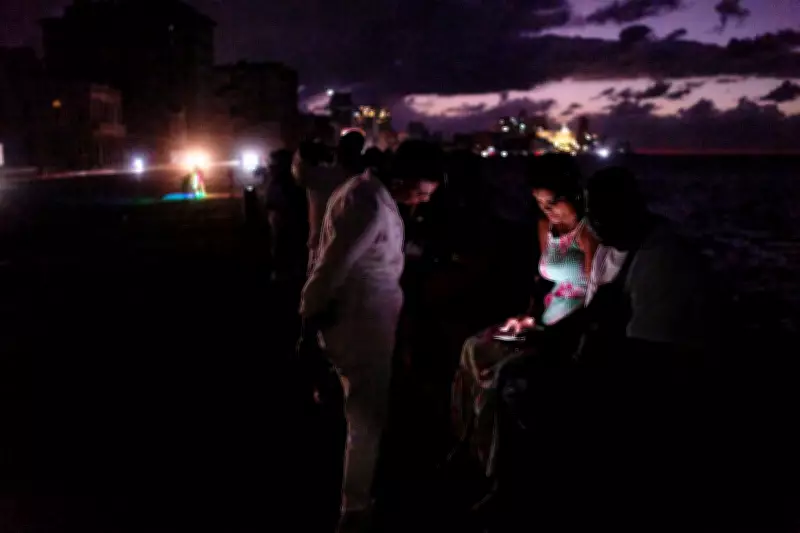
Cuba Grapples with Third Major Blackout in a Month, Highlighting Deepening Energy Crisis
On Saturday, Cuba was plunged into darkness for the third time this month, marking the second such nationwide power outage in just five days. Authorities have attributed this latest incident to an "unexpected failure" at a generating unit within the Nuevitas thermoelectric plant, located in the Camagüey province.
Cascading Failure and Emergency Response
The Ministry of Energy and Mines detailed in a report that the initial malfunction triggered a cascading effect, disrupting other operational units across the grid. In response, the ministry swiftly activated "micro-islands" of generating units to ensure electricity supply to essential services. These critical facilities include hospitals, water systems, and other vital centers, aiming to mitigate the immediate impact on public health and safety.
Initially, the Cuban Electric Union, which operates under the energy ministry, announced the nationwide blackout without providing an immediate cause, leaving citizens in uncertainty. Efforts are currently underway to restore full electricity across the island, though challenges persist due to the aging infrastructure.

Root Causes: Aging Infrastructure and Fuel Shortages
Power outages in Cuba, both nationwide and regional, have become increasingly common over the past two years. The primary culprit is the country's deteriorating and aging power grid, which suffers from frequent breakdowns. Compounding this issue are daily blackouts that can last up to 12 hours, driven by persistent fuel shortages that further strain the already fragile system.
President Miguel Díaz-Canel revealed that Cuba has not received oil from foreign suppliers for three months, with domestic production meeting only about 40% of its fuel needs. This scarcity exacerbates the energy crisis, making it difficult to maintain consistent power generation.
Impact on Daily Life and Political Dimensions
The frequent blackouts have had a severe impact on daily life in Cuba, disrupting work, limiting cooking options, and causing food spoilage as refrigeration fails. These challenges add to the hardships faced by the population, highlighting the urgency of addressing the energy shortfall.
While the deteriorating power grid is a key factor, the Cuban government has also pointed to US sanctions as a contributor to the crisis. In January, former President Donald Trump warned of tariffs on countries supplying oil to Cuba, with Washington demanding the release of "political prisoners" and steps toward political and economic reforms in exchange for easing restrictions. Trump has even floated the possibility of a "friendly takeover" of Cuba, adding a layer of geopolitical tension to the energy woes.
As Cuba struggles with this deepening energy crisis, the repeated blackouts underscore the need for infrastructure upgrades and sustainable solutions to prevent further disruptions to essential services and daily life.






