Dalai Lama Backs International Peace Initiative, Advocates for Non-Violence
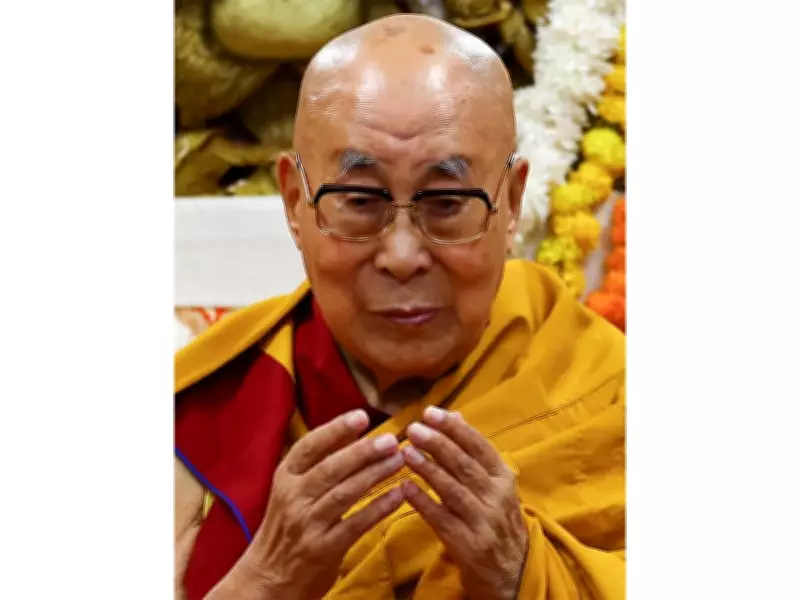
The Dalai Lama, the Tibetan spiritual leader, has publicly endorsed a global call for peace, urging an immediate cessation of violence and hostilities around the world. His statement, made from his residence in Dharamshala, Himachal Pradesh, aligns with growing international efforts to promote harmony and resolve conflicts through peaceful means.
Emphasis on Compassion and Dialogue
In his appeal, the Dalai Lama emphasized the critical importance of compassion and constructive dialogue as fundamental tools for achieving lasting peace. He highlighted that violence only perpetuates suffering and undermines human dignity, calling on individuals and nations to prioritize empathy and understanding in their interactions.
The spiritual leader stressed that true peace requires a collective effort, involving not just political leaders but also communities and individuals worldwide. He pointed to historical examples where non-violent movements have led to significant social and political changes, advocating for similar approaches in current global conflicts.

Context of Global Unrest
This endorsement comes at a time of heightened tensions and conflicts in various regions, including ongoing wars, political strife, and social unrest. The Dalai Lama's message is seen as a timely reminder of the universal human desire for stability and safety, resonating with peace advocates and organizations globally.
His call has been welcomed by numerous international peace groups, who view it as a moral boost to their campaigns. Analysts note that such endorsements from respected figures like the Dalai Lama can amplify the visibility and impact of peace initiatives, encouraging broader public support and policy changes.
Impact on Local and International Audiences
In Himachal Pradesh, where the Dalai Lama resides, his statement has sparked discussions among local communities about the role of spirituality in addressing global issues. Residents and followers have expressed solidarity with his views, organizing small-scale events to promote peace and non-violence in the region.
Globally, the endorsement is expected to influence diplomatic dialogues and humanitarian efforts, particularly in conflict zones. Experts suggest that it could inspire more leaders to adopt peaceful resolutions, potentially reducing violence and fostering international cooperation.
The Dalai Lama's appeal underscores a broader movement towards a more compassionate world, urging everyone to contribute to peacebuilding in their own capacities. As conflicts continue to affect millions, his words serve as a powerful call to action for a violence-free future.