

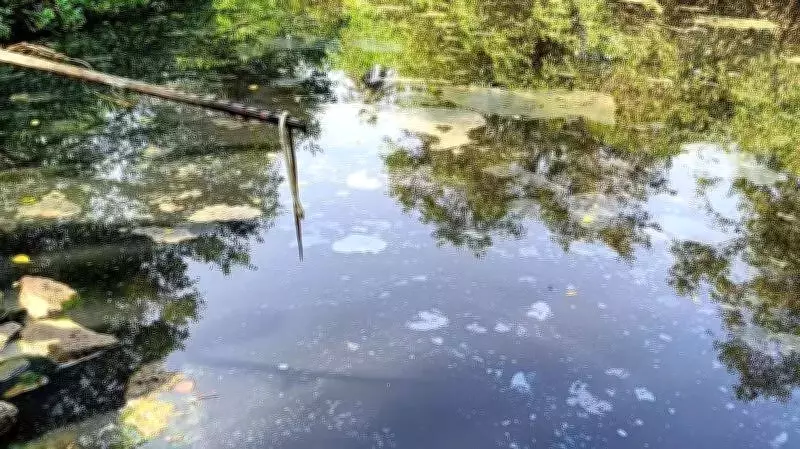
Dead Fish in Mangaluru's Gurupura River Linked to Sewage and Stagnation
The Karnataka State Pollution Control Board (KSPCB) has identified untreated sewage inflow, water stagnation, and depletion of dissolved oxygen as the primary causes behind recent dead fish sightings near Raikatte Bridge in the backwaters of the Gurupura (Phalguni) River in Mangaluru. This environmental incident has raised significant concerns about water quality and urban infrastructure in the region.
Inspection and Initial Findings
On February 9, the KSPCB regional office in Mangaluru received a telephonic complaint regarding fish deaths and the blackening of a stormwater drain near Raikatte Bridge, which connects to the Gurupura backwaters. An immediate inspection revealed sewage flowing through the stormwater drain into the backwaters, with the water appearing blackish and several dead fish present in the drain. Preliminary observations pointed to a severe depletion of dissolved oxygen as the likely cause of the fish mortality.
Water samples were collected from various locations and sent to the KSPCB regional laboratory in Mangaluru for detailed analysis. Additionally, the department of fisheries collected fish samples, with results currently awaited. Officials confirmed that no industrial effluent discharge was observed from industries in the Baikampady industrial cluster during the inspection, narrowing the focus to domestic and construction-related factors.

Impact of Bridge Construction and Environmental Factors
In a follow-up inspection on February 10, officials noted ongoing construction activities for the Kulur Bridge and the bridge connecting Sultan Battery and Tannirbhavi Beach. The Sultan Battery–Tannirbhavi Bridge project, spanning approximately 350 metres, involved filling portions of the river with soil. This construction disrupted natural tidal flushing up to the Maravoor vented dam, exacerbating water stagnation when combined with untreated sewage and limited freshwater flow.
High summer temperatures further intensified biogeochemical reactions in the stagnant water, leading to a sharp drop in dissolved oxygen levels. This combination of factors created an inhospitable environment for aquatic life, resulting in the observed fish deaths. The report highlighted that residential areas around Raikatte, Kulur, Baggundi Lake, Kodikere, Kudumburu Colony, and Angaragundi, along with godowns and commercial establishments in the Baikampady industrial area, contributed to sullage. The absence of underground drainage and sewage treatment plants in the area has compounded the pollution problem, with related cases already pending before the National Green Tribunal.
Remedial Actions and Improvements
Following the inspection, the KSPCB issued directives to address the issue. Mangaluru Smart City Ltd was instructed to install culvert pipes to ensure proper flushing of the backwaters, while Mangaluru City Corporation was asked to halt sewage inflow through stormwater drains and submit an action-taken report. Additionally, the Karnataka State Coastal Zone Management Authority was requested to clarify whether the bridge project complies with Coastal Regulation Zone norms.
Officials reported that culvert pipes have since been installed, leading to an improvement in the condition of the backwaters and the affected river arm. These measures aim to restore water quality and prevent future incidents, though long-term solutions such as enhanced sewage treatment infrastructure remain critical for sustainable environmental management in Mangaluru.






